
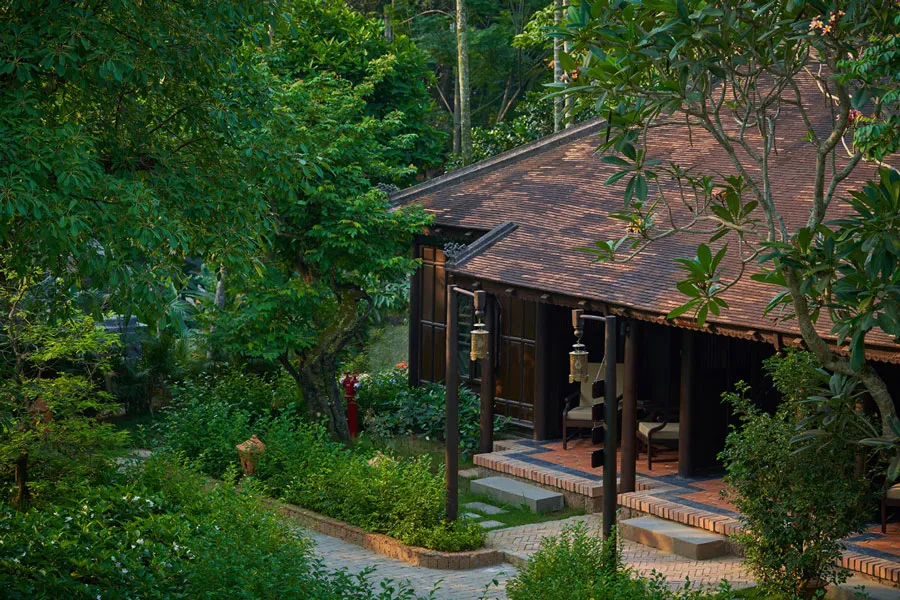
Hue is widely known for its Imperial City, royal tombs, pagodas, and poetic Perfume River. Yet some of the former capital’s most meaningful cultural treasures are found away from monumental gates and crowded attractions. Hidden behind leafy lanes, low walls, and traditional entrances, the ancient Hue garden house offers a quieter introduction to the city’s history.
These houses are not simply old buildings surrounded by trees. Each one is a carefully arranged living space in which architecture, nature, family worship, and everyday life are closely connected. The house provides shelter, the garden supplies shade and food, and the layout reflects ideas about harmony, respect, and balance.
Visiting one allows travelers to experience Hue on a more personal scale. Instead of looking only at the history of emperors, visitors can learn how officials, scholars, aristocratic families, and local residents shaped their domestic environment. An ancient Hue garden house therefore reveals another side of the imperial city: intimate, elegant, and deeply connected to nature.
A Living Heritage Beyond Hue’s Famous Monuments
Show table of content
- 1. What Is an Ancient Hue Garden House?
- 2. The Historical Roots of Hue’s Garden Houses
- 3. Architecture Designed for Harmony
- 3.1. The Traditional Timber Frame
- 3.2. The Gate and the Protective Screen
- 4. The Garden as Part of the Home
- 5. Family Worship and Everyday Cultural Life
- 6. Where to Experience Traditional Garden Houses in Hue
- 6.1. An Hien Garden House
- 6.2. Kim Long and Phu Mong
- 6.3. Nguyet Bieu and Other Garden Communities
- 7. How to Visit Respectfully
- 8. The Best Time to Explore Hue’s Garden Houses
- 9. Why These Houses Need Protection
- 10. Discover Hue Through Local Experiences
- 11. Conclusion: A Quiet Window into the Soul of Hue
1. What Is an Ancient Hue Garden House?
A traditional Hue garden house, often called a nhà vườn Huế, combines a wooden residence with an organized garden and a series of symbolic landscape elements. Many feature a nhà rường, a timber-frame house constructed with carefully joined wooden columns and beams. The building may appear modest from the road, but its interior often displays skilled carpentry, carved decoration, family objects, and an ancestral altar.
The word “garden” does not mean that plants were added merely for decoration. In a traditional ancient Hue garden house, the residence and its surroundings form one complete composition. Fruit trees, flowers, hedges, paths, water features, and courtyards help create privacy and a comfortable microclimate. They may also provide ingredients, seasonal produce, medicinal plants, or flowers for household worship.
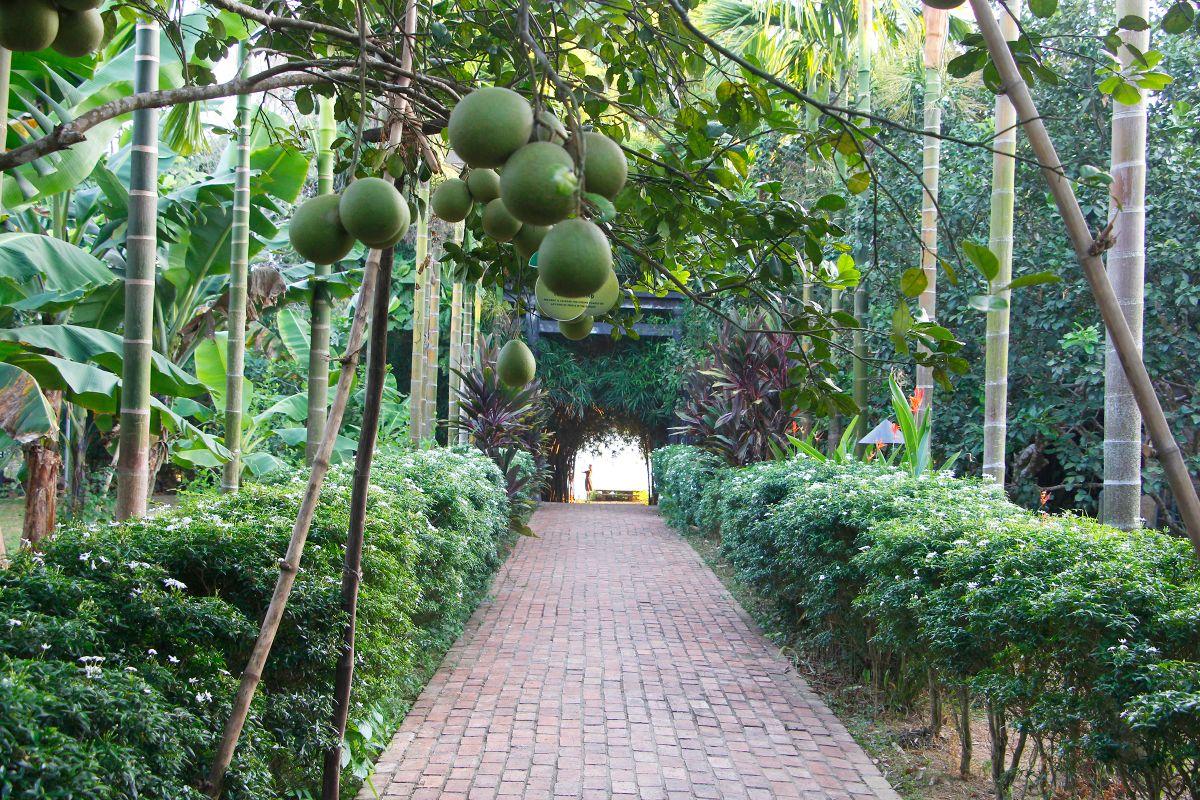
Although individual properties vary in size and design, many follow a recognizable sequence. Visitors may pass through a gate, walk along a shaded path, encounter a protective screen, cross an open courtyard, and finally reach the main wooden house. This gradual approach creates a feeling of transition from the public street to the family’s private world.

2. The Historical Roots of Hue’s Garden Houses
Hue served as Vietnam’s imperial capital under the Nguyen Dynasty from 1802 until 1945. The royal court attracted mandarins, scholars, members of the imperial family, craftspeople, and religious communities. Residential areas grew around the Citadel and along the Perfume River, especially in places such as Kim Long, Phu Mong, Nguyet Bieu, Vy Da, and Gia Hoi.
Some families created homes influenced by the refined aesthetics and spatial principles associated with the royal capital. Over generations, the ancient Hue garden house became one of the city’s most recognizable forms of domestic heritage. Its restrained appearance reflected the character often associated with Hue: thoughtful, private, graceful, and never unnecessarily showy.
Hue’s wider architectural and landscape heritage received international recognition when the Complex of Hue Monuments was inscribed on the UNESCO World Heritage List in 1993. Traditional residences are not all individually included in that property, but they help visitors understand the broader cultural landscape in which the imperial monuments developed.

3. Architecture Designed for Harmony
3.1. The Traditional Timber Frame
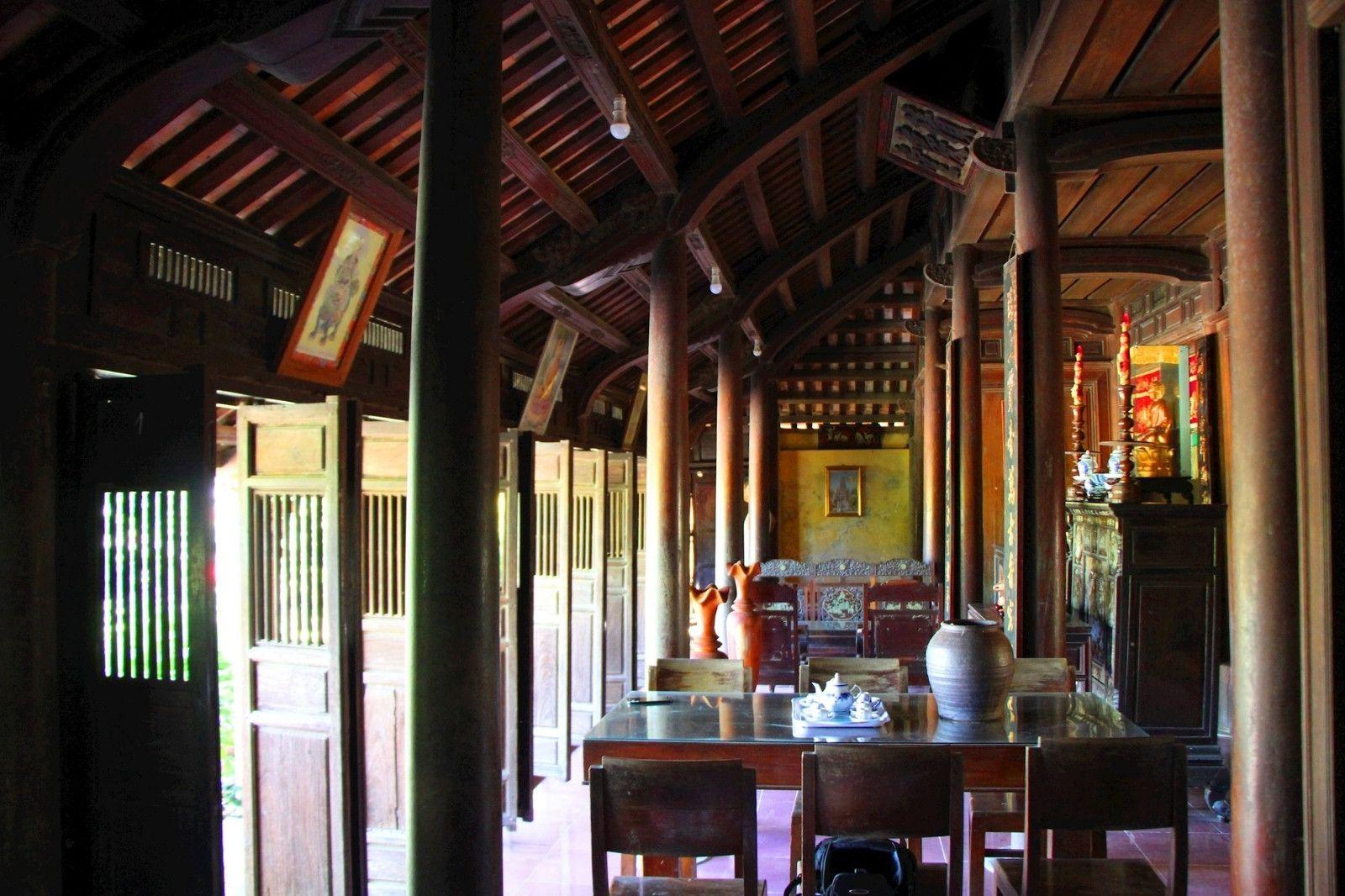
At the center of many houses is a wooden frame composed of columns, beams, rafters, and roof supports fitted together by skilled craftspeople. Traditional joinery can reduce dependence on metal nails and allows the structural components to work as a unified system. Depending on the age and status of the house, wooden details may include carved flowers, leaves, animals, clouds, or classical motifs.
The roof is usually broad and visually dominant, helping protect the interior from strong sun and seasonal rain. Deep eaves shade the veranda, while doors can be opened to improve airflow. These features make the ancient Hue garden house well suited to central Vietnam’s hot, humid, and rainy conditions.
3.2. The Gate and the Protective Screen
The entrance is an essential part of the experience. A traditional gate marks the boundary between the street and the home, while hedges or walls provide privacy. Inside, a screen known as a bình phong may stand on the central axis in front of the main residence.
The screen limits a direct view into the house and is traditionally associated with protection from unfavorable influences. It also changes the visitor’s movement: instead of walking in a straight line, guests move around it before approaching the courtyard. This simple feature gives an ancient Hue garden house both privacy and a sense of ceremony.
4. The Garden as Part of the Home
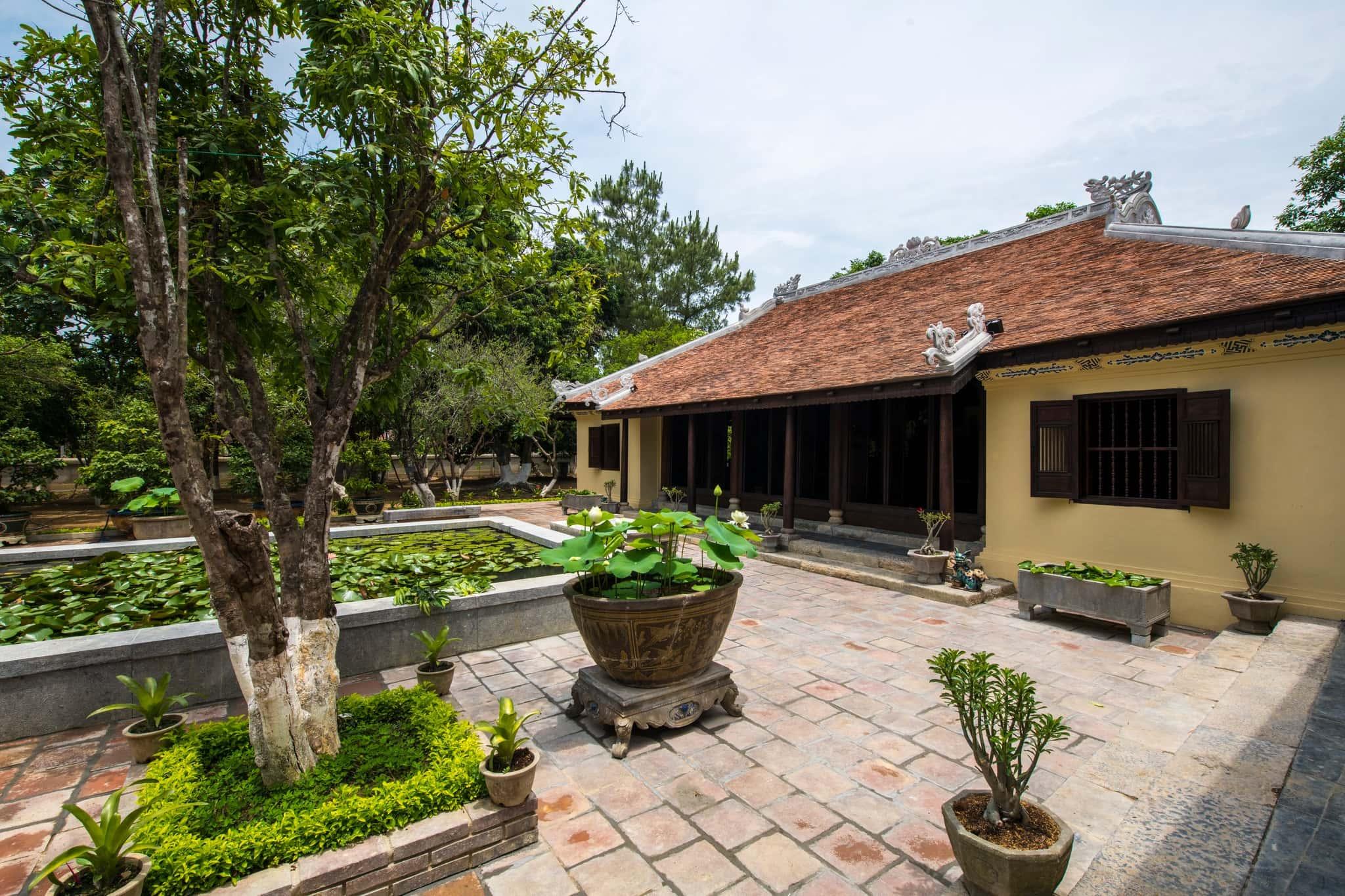
The garden softens the architecture and turns the property into a living landscape. In an ancient Hue garden house, the surrounding greenery is not simply decorative but an essential part of the home’s design and daily life. Depending on the season and family tradition, the garden may contain areca palms, tea hedges, bamboo, ornamental plants, flowering shrubs, and fruit trees such as pomelo, jackfruit, longan, or mangosteen. Plant selections vary, so no single garden should be considered a universal model.
Paths organize movement, while ponds or water basins may cool the atmosphere and add visual balance. The open courtyard allows light to reach the building and creates space for family activities. Together, these elements help the ancient Hue garden house feel sheltered without being separated from nature.
The garden also changes throughout the year. New leaves, blossoms, fruit, rain, and fallen petals continually reshape the view. Unlike a museum display, the garden of an ancient Hue garden house is never completely still. Its beauty comes from growth, careful maintenance, and the passing of time.
Traditional principles of phong thủy, commonly known in English as feng shui, influenced the orientation and arrangement of many Hue residences. Families considered direction, water, landform, airflow, entrances, and the relationship between built and natural elements. The aim was not decoration alone, but the creation of an environment believed to support harmony and well-being.
However, visitors should be cautious about reducing every feature to a fixed symbolic rule. Each property responds to its own land, history, family needs, and later alterations. The best way to understand a particular house is to listen to its owner or a knowledgeable local guide.

5. Family Worship and Everyday Cultural Life
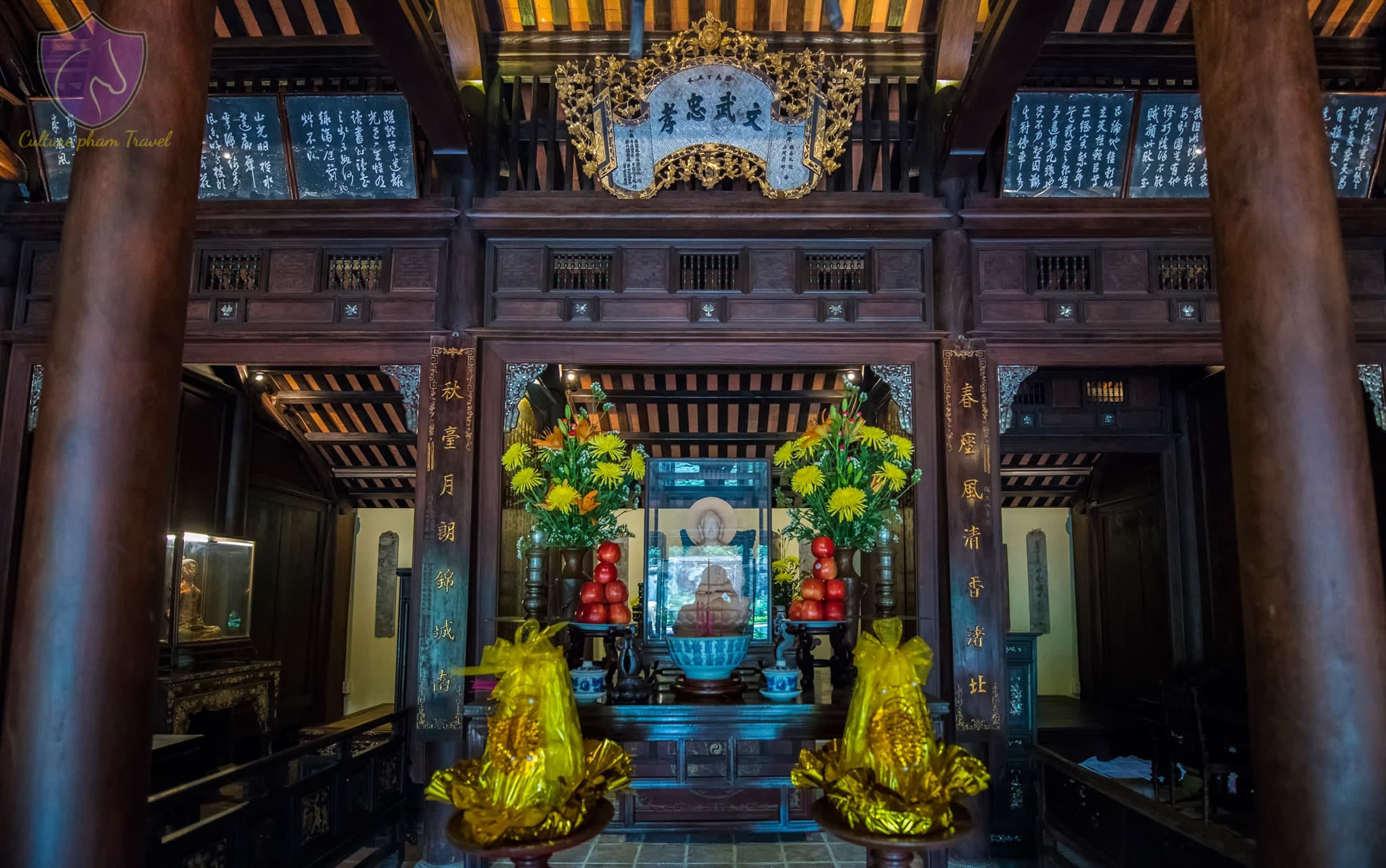
An ancestral altar often occupies the most respected position inside an ancient Hue garden house. It represents continuity between generations and reminds family members of their responsibilities to those who came before them. On death anniversaries, during Tết, and on other important occasions, relatives may gather to prepare offerings, share food, and remember their family history.
This spiritual dimension distinguishes an ancient Hue garden house from a historical structure preserved only for visual appreciation. Where families still live in these properties, the house remains connected to cooking, cleaning, gardening, worship, hospitality, and other daily routines.
Hue hospitality is another important part of the experience. At an ancient Hue garden house that officially welcomes visitors, guests may be offered tea, seasonal fruit from the garden, or traditional sweets. Some visits include family stories, local meals, craft activities, or explanations of regional customs. These meaningful personal exchanges can be more memorable than simply photographing the architecture.
6. Where to Experience Traditional Garden Houses in Hue
6.1. An Hien Garden House
An Hien is among Hue’s best-known historic garden houses. Located near the Perfume River in the Kim Long area, it is admired for its traditional entrance sequence, tree-filled garden, timber residence, and connections with notable former owners. It provides a clear introduction to the relationship between architecture and landscape, although access arrangements can change and should be checked before a visit.
6.2. Kim Long and Phu Mong
Kim Long and nearby Phu Mong are strongly associated with Hue’s garden-house heritage. According to Hue’s official tourism information, the Phu Mong – Kim Long area, approximately 2.5 kilometers from the city center, contains a notable concentration of garden houses. Exploring with a local guide can help visitors recognize traditional features without intruding on private properties.

6.3. Nguyet Bieu and Other Garden Communities
Nguyet Bieu is known for peaceful village scenery and pomelo gardens. While not every home is historic, the area offers insight into the continuing relationship between households, orchards, agriculture, and the Perfume River landscape. Vy Da and several other Hue neighborhoods also retain traces of the garden-city character celebrated in local poetry and memory.
Travelers looking for an authentic ancient Hue garden house experience should focus on quality rather than the number of places visited. One respectful, well-explained visit can communicate more than a rushed tour through several properties.

7. How to Visit Respectfully
Garden houses can be fragile heritage sites and, in many cases, family homes. Thoughtful behavior helps protect both the property and the privacy of residents.
- Confirm that the house welcomes visitors before entering.
- Follow the host’s instructions and remove shoes when requested.
- Ask permission before photographing residents, altars, or private rooms.
- Keep voices low, especially near worship spaces.
- Do not touch carvings, antiques, fruit, or household objects without permission.
- Stay on established paths and avoid damaging plants.
- Consider booking a local guide or community-based experience.
- Support hosts by paying stated entrance or experience fees rather than bargaining aggressively.
The atmosphere of an ancient Hue garden house is quiet and reflective. A slower visit gives time to notice airflow beneath the eaves, filtered light on wooden columns, the scent of leaves after rain, and the way the house opens toward the garden.
8. The Best Time to Explore Hue’s Garden Houses
Hue can be visited throughout the year, but weather shapes the experience. Dry-season days are usually easier for walking or cycling, while shaded gardens offer relief during warmer months. Rain creates rich colors and a poetic atmosphere, although heavy downpours can affect outdoor plans. Morning generally offers softer light and cooler temperatures. Always confirm access before traveling because many properties remain private homes and opening arrangements can change.
A balanced itinerary might combine a garden house with Thien Mu Pagoda, the Imperial City, the Perfume River, a craft village, or a cooking experience. Vietnam’s official tourism website also places Hue’s garden houses within a broader cultural itinerary of pagodas, palaces, markets, and historic neighborhoods.

9. Why These Houses Need Protection
Preserving a traditional house is complicated. Timber structures require specialist care, gardens demand constant maintenance, and central Vietnam’s storms, floods, heat, humidity, and insects can damage materials. Urban development, changing lifestyles, and inherited land divisions can also weaken the relationship between house and garden.
Protecting an ancient Hue garden house should therefore involve more than repairing old wood. Effective conservation respects the whole setting, supports the people who maintain it, records traditional craft knowledge, and allows reasonable adaptation for contemporary life.
10. Discover Hue Through Local Experiences
Hue’s garden houses become even more meaningful when placed within the city’s broader culture. Visitors can explore traditional neighborhoods, meet local families, learn how regional dishes are prepared, and discover the crafts that continue to shape daily life. A Hue city tour can connect residential heritage with the Imperial City and royal tombs, while a countryside or craft-village experience reveals how communities beyond the monuments preserve local knowledge.
For travelers interested in food culture, a hands-on cooking class or evening food tour offers another path into Hue’s identity. These experiences complement an ancient Hue garden house visit because they focus on the same qualities: family tradition, seasonal ingredients, hospitality, and stories shared by local people. Hue Local Experiences can help visitors move beyond sightseeing and develop a closer connection with the former imperial capital.
To experience Hue beyond its historic architecture, explore the city through carefully designed local tours. Join a Hue Cooking Class to prepare traditional dishes with local guidance, taste regional specialties on a Hue Food Tour, discover rural life through a Hue Countryside Tour, or meet skilled artisans during a Traditional Craft Village Experience. Each activity provides a different perspective on Huế’s food, people, traditions, and everyday life, helping travelers build a more meaningful connection with the city and its local communities.
11. Conclusion: A Quiet Window into the Soul of Hue
Royal palaces and imperial tombs explain the public history of Vietnam’s former capital, but traditional homes reveal how cultural values entered everyday life. In their timber frames, shaded courtyards, ancestral altars, and carefully tended gardens, these residences preserve memories of family, craftsmanship, spirituality, and adaptation.
An ancient Hue garden house is therefore much more than an attractive place to photograph. It is a living relationship between people, architecture, and nature. By visiting slowly and respectfully, travelers can discover a side of Hue that is gentle, personal, and deeply rooted in the city’s cultural identity.
Step through a garden gate, slow your pace, and let Hue’s quietest heritage tell its story.

0 Comment