
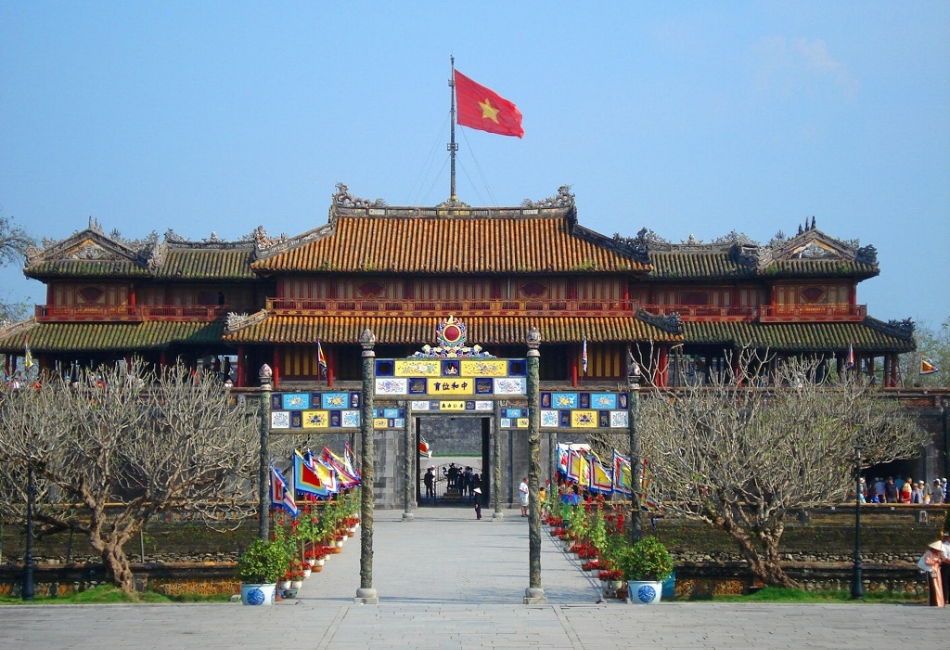
Nestled in the heart of central Vietnam, the ancient city of Hue is a destination where history, culture, and architecture blend seamlessly together. Among its many attractions, the magnificent Hue Citadel stands as the crown jewel of the former imperial capital. Recognized as a UNESCO World Heritage Site, Hue Citadel attracts millions of visitors every year who come to admire its grandeur and uncover the fascinating stories of Vietnam’s royal past.
For travelers seeking a deeper understanding of Vietnamese culture, Citadel is more than just a historical site. It is a living museum filled with ancient palaces, sacred temples, royal tombs, and timeless traditions.
Whether you are passionate about history, photography, architecture, or cultural exploration, visiting citadel offers an unforgettable journey into Vietnam’s imperial heritage.
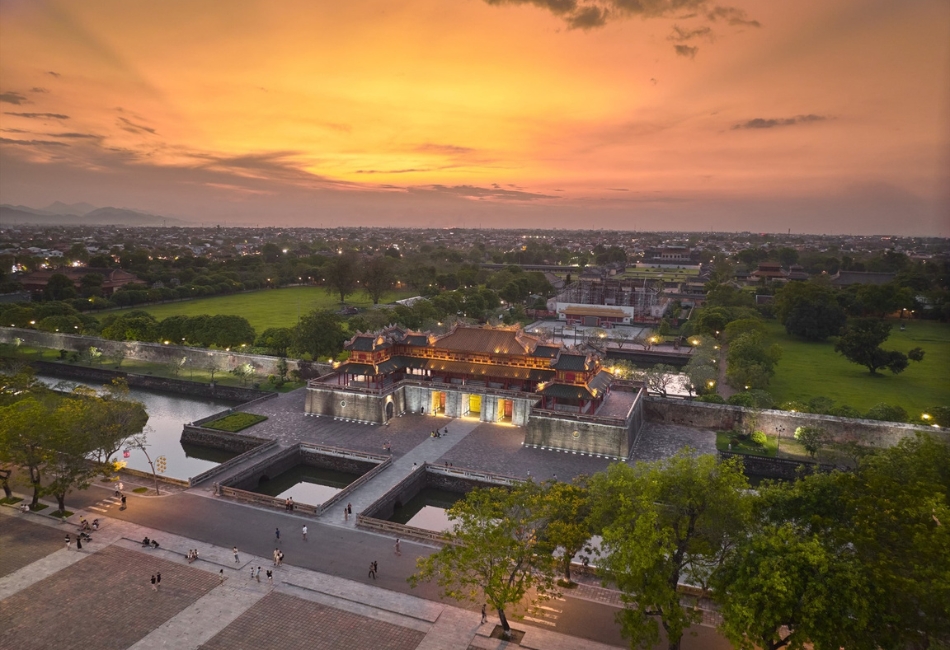
Why Hue Citadel remains one of Vietnam’s most iconic landmarks
Show table of content
- 1. The History Behind Hue Citadel
- 2. Exploring the Architecture of Hue Citadel
- 3. Top Attractions Inside Hue Citadel
- 3.1. Ngo Mon Gate
- 3.2. Thai Hoa Palace
- 3.3. The Mieu Temple
- 3.4. Hien Lam Pavilion
- 3.5. Royal Theater
- 4. Why Hue Citadel Is a UNESCO World Heritage Site
- 5. Best Time to Visit Hue Citadel
- 6. Travel Tips for Visiting Hue Citadel
- 7. Experience Hue Through a Guided Tour
- 8. Nearby Attractions Around Hue Citadel
- 8.1. Perfume River
- 8.2. Thien Mu Pagoda
- 8.3. Royal Tombs
- 8.4. Dong Ba Market
- 9. Conclusion
1. The History Behind Hue Citadel
The story of the imperial complex began in the early 19th century during the reign of Emperor Gia Long, the founder of the Nguyen Dynasty. In 1802, Hue became the political and cultural center of Vietnam, and construction of the citadel officially started in 1805.
Built along the northern bank of the Perfume River, the fortress was designed based on the principles of geomancy and military architecture. The structure was heavily influenced by the Forbidden City in Beijing while also incorporating French military engineering techniques. The result was a massive complex featuring thick walls, moats, gates, and symmetrical layouts.
Over the course of more than a century, the citadel served as the seat of the Nguyen emperors until the last emperor abdicated in 1945. Although wars and natural disasters caused significant damage to the site, restoration efforts have helped preserve many of its most important structures.
Today, this UNESCO-listed heritage site remains one of the most historically significant landmarks in Vietnam and continues to symbolize the glory of the Nguyen Dynasty.
2. Exploring the Architecture of Hue Citadel
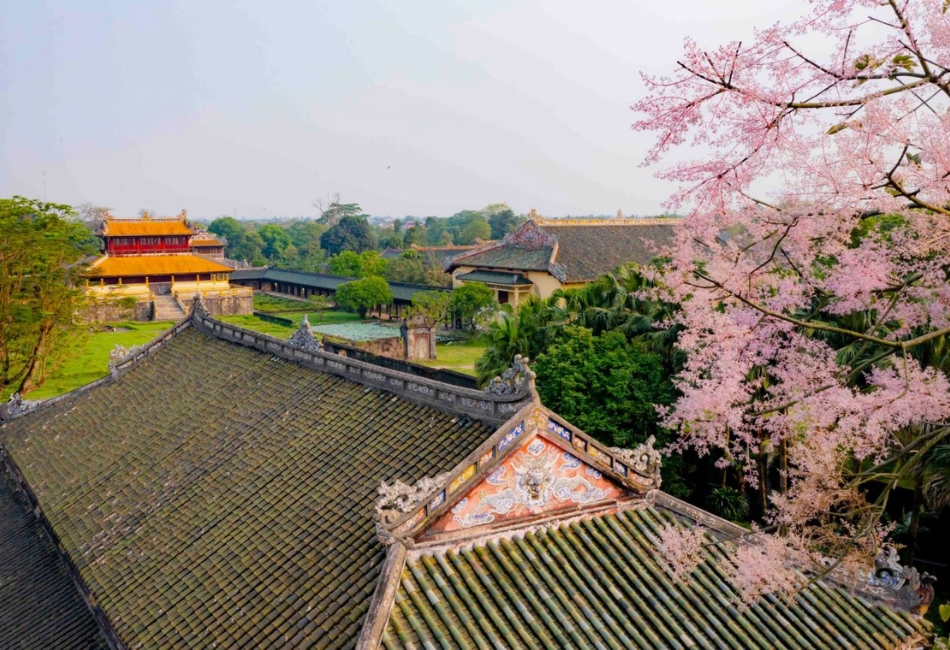
One of the most remarkable aspects of this historic complex is its sophisticated architectural design. Covering more than 500 hectares, the site is divided into three main sections: the Capital City, the Imperial City, and the Forbidden Purple City.
The outer defensive walls stretch for nearly 10 kilometers and are surrounded by a moat system that once protected the imperial capital from invasions. Massive gates provide entry into the complex, each carefully aligned according to feng shui principles.
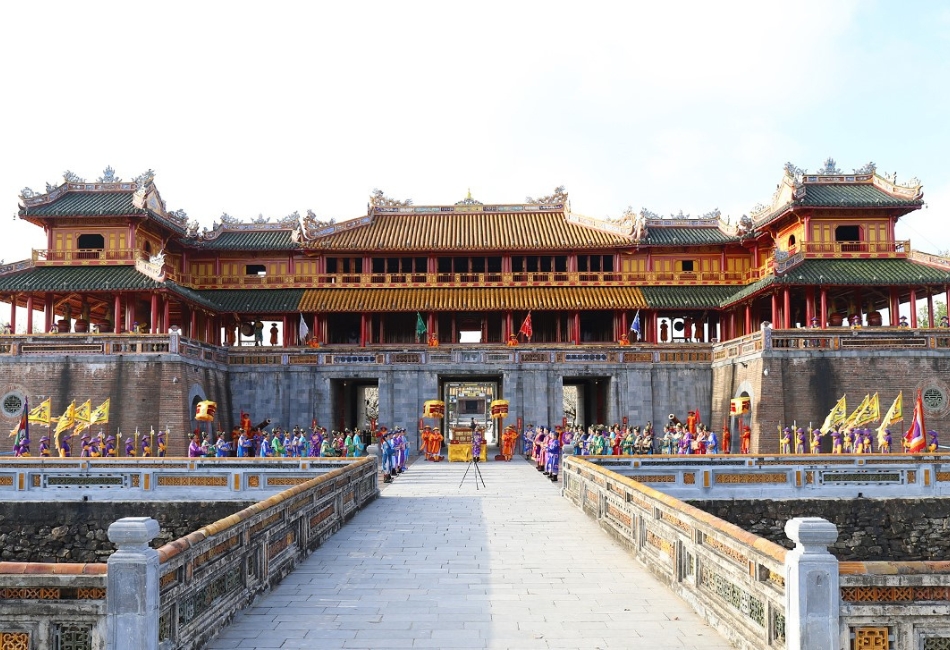
Inside the ancient citadel, visitors can admire a stunning collection of royal buildings featuring intricate wood carvings, dragon motifs, lacquer decorations, and colorful ceramic mosaics. Traditional Vietnamese architecture blends harmoniously with Chinese influences, creating a unique visual identity that distinguishes the site from other historical landmarks in Southeast Asia.
The Imperial City served as the administrative center where important ceremonies and governmental activities took place. Beyond it lies the Forbidden Purple City, once reserved exclusively for the emperor and the royal family.
Walking through Hue Citadel feels like stepping back in time. Every corridor, courtyard, and temple tells a story about imperial life centuries ago.
3. Top Attractions Inside Hue Citadel
3.1. Ngo Mon Gate
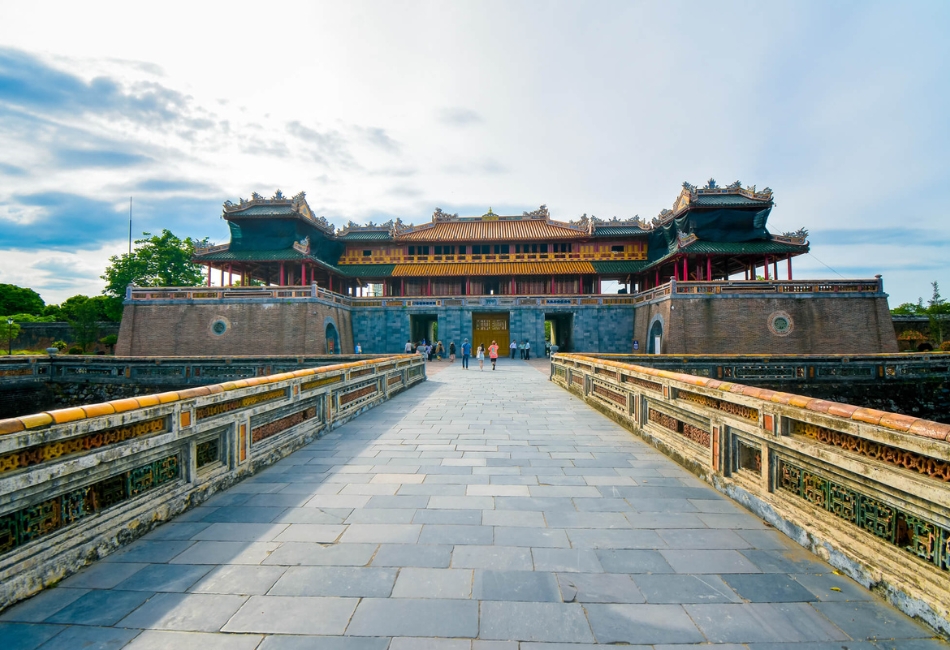
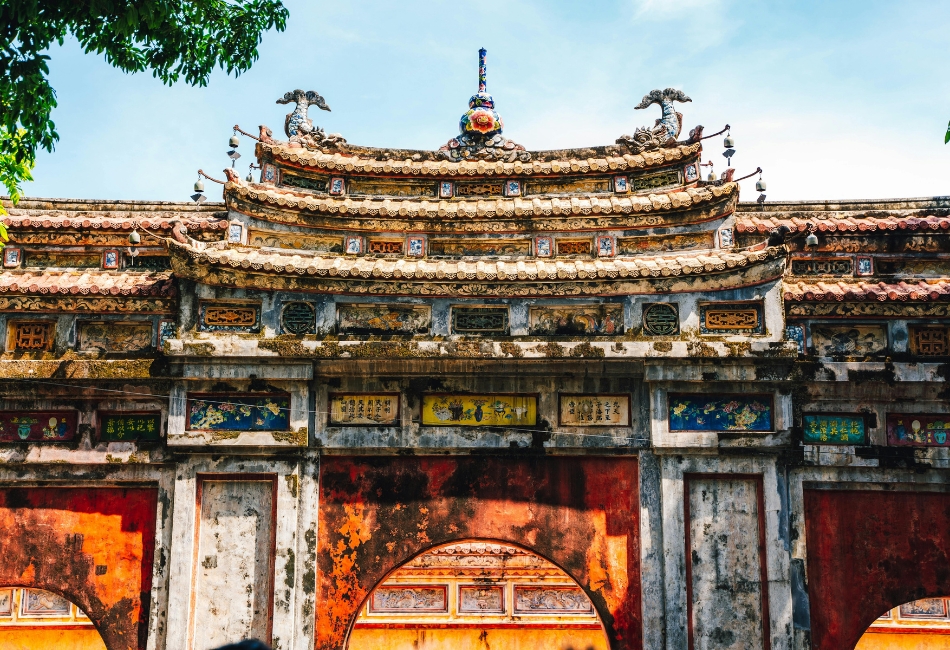
Ngo Mon Gate is perhaps the most iconic entrance. Built in 1833 under Emperor Minh Mang, this majestic gate was reserved for the emperor’s exclusive use. The upper pavilion offers breathtaking panoramic views of the entire complex.
3.2. Thai Hoa Palace
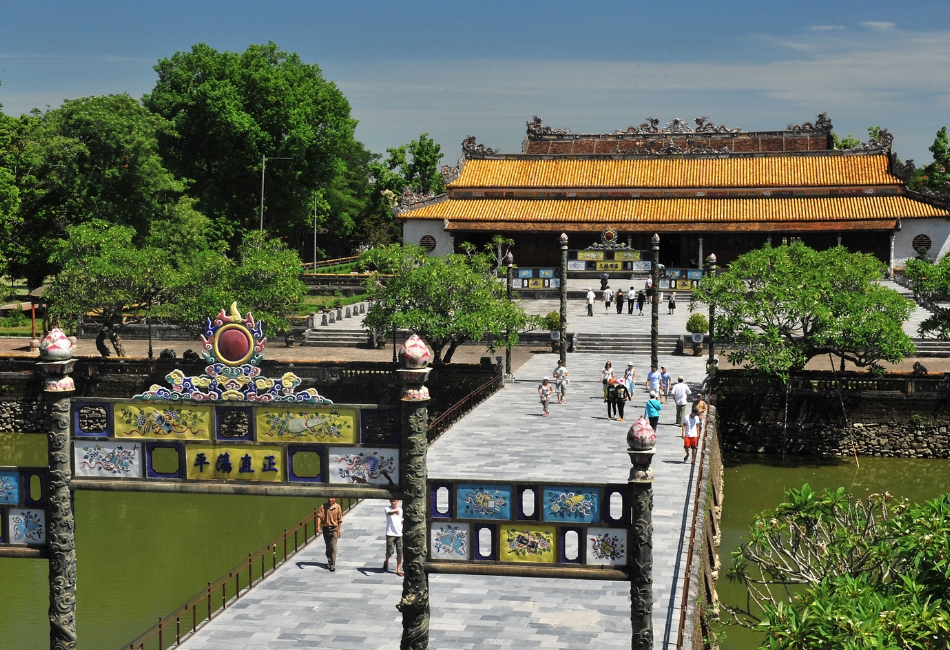
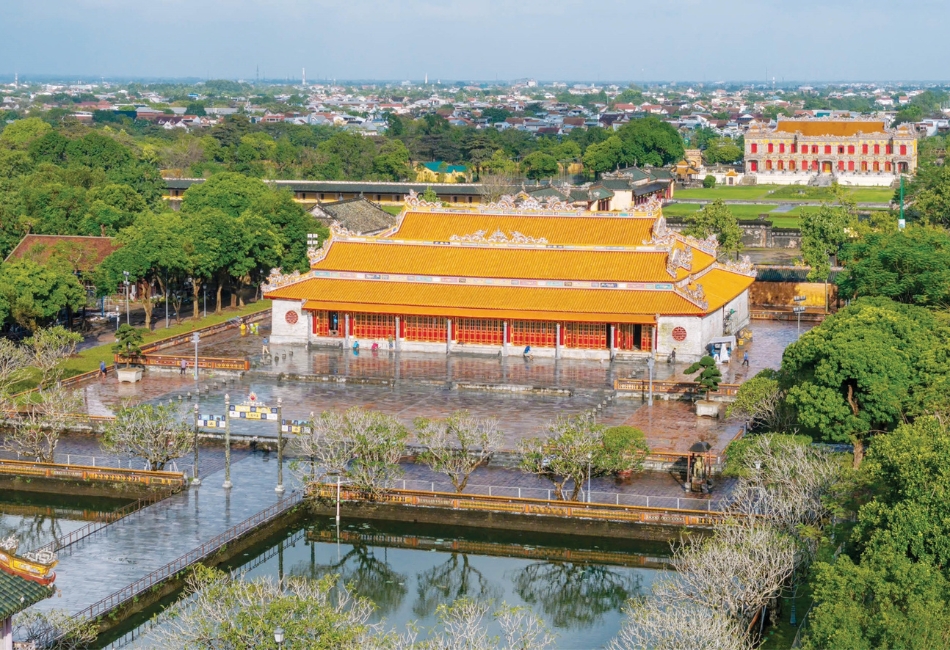
Located at the heart of Hue Citadel, Thai Hoa Palace was the ceremonial hall where emperors held important meetings and royal celebrations. The palace is famous for its ornate golden decorations and beautifully lacquered columns.
3.3. The Mieu Temple
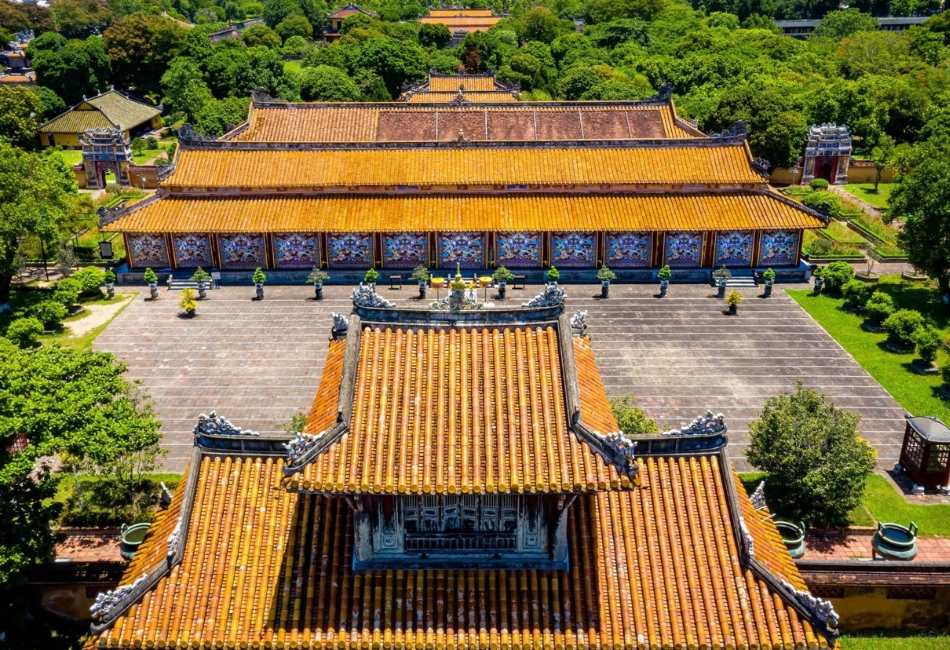
Dedicated to the emperors of the Nguyen Dynasty, The Mieu Temple is one of the most spiritually significant places inside Hue Citadel. Visitors can see beautifully crafted altars and bronze urns that symbolize the power and longevity of the dynasty.
3.4. Hien Lam Pavilion
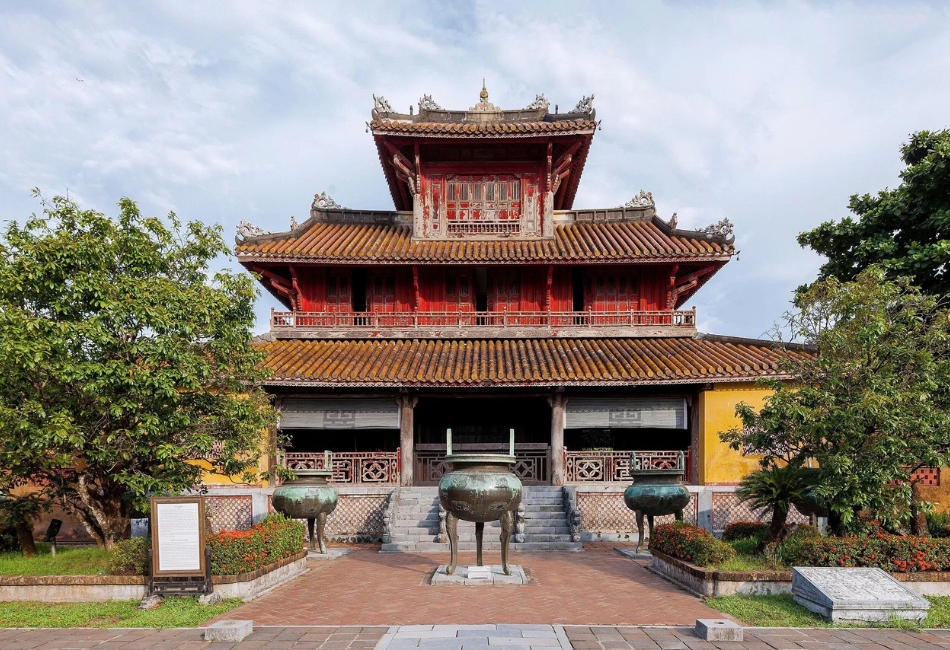
Standing proudly beside The Mieu Temple, Hien Lam Pavilion commemorates loyal mandarins and distinguished officials of the imperial court. Its elegant structure showcases the sophistication of Nguyen-era architecture.
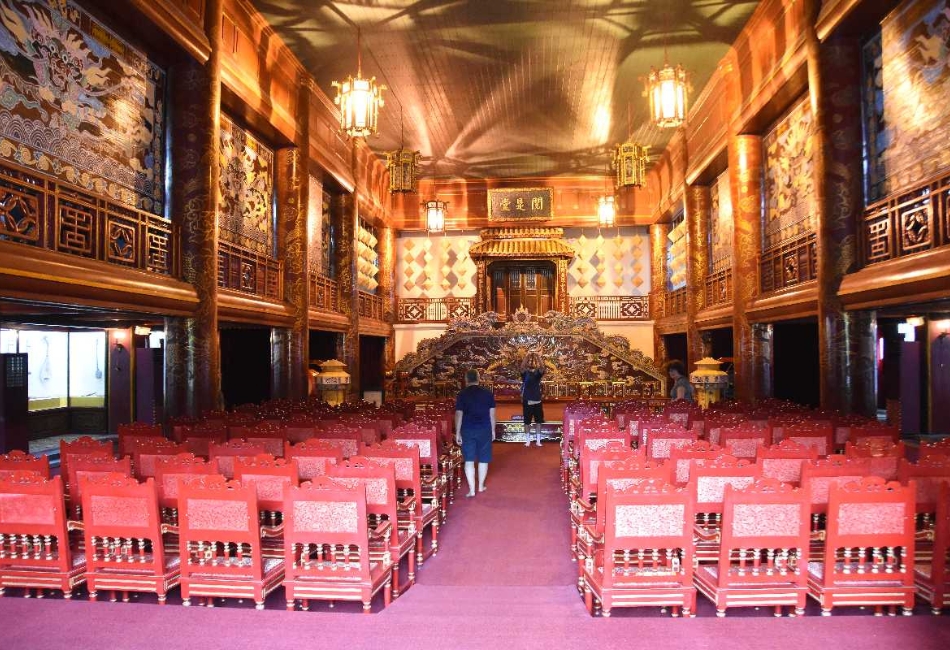
3.5. Royal Theater
The Duyet Thi Duong Royal Theater is one of the oldest surviving traditional theaters in Vietnam. Visitors can enjoy performances of nha nhac, the royal court music recognized by UNESCO as an Intangible Cultural Heritage.
4. Why Hue Citadel Is a UNESCO World Heritage Site
In 1993, UNESCO officially recognized Hue Citadel as a World Heritage Site due to its exceptional cultural and historical value. The complex represents the peak of Vietnamese feudal architecture and preserves the legacy of the Nguyen Dynasty.
The Citadel is not only important for Vietnam but also for global heritage preservation. The site reflects centuries of political change, artistic achievement, and cultural development. Restoration projects continue to rebuild damaged structures and protect the citadel for future generations.
As one of Vietnam’s most treasured historical landmarks, Hue Citadel plays a vital role in educating visitors about the nation’s royal history and cultural identity.
5. Best Time to Visit Hue Citadel
The ideal time to visit Hue Citadel is between January and April when the weather is cooler and rainfall is relatively low. During these months, visitors can comfortably explore the expansive complex without intense heat or heavy rain.
For photographers, early morning and late afternoon provide the best lighting conditions. The soft sunlight beautifully highlights the ancient walls, gates, and palaces of Hue Citadel.
Travelers visiting during the Hue Festival will also experience vibrant cultural performances, traditional music, and royal reenactments that bring the imperial city to life.
6. Travel Tips for Visiting Hue Citadel
To make the most of your experience at Hue Citadel, consider these helpful travel tips:
- Wear comfortable walking shoes because the complex is very large.
- Bring sunscreen, water, and a hat during hot seasons.
- Allocate at least half a day to fully explore the site.
- Respect local customs and avoid loud behavior in sacred areas.
- Consider hiring a local guide to better understand the history behind each structure.
After exploring Hue Citadel, visitors should also try local specialties such as bun bo Hue, banh khoai, and nem lui at nearby restaurants and street food stalls.
7. Experience Hue Through a Guided Tour
Although independent exploration can be enjoyable, joining a guided tour often provides a richer and more educational experience. Knowledgeable guides can explain the hidden meanings behind architectural details, royal traditions, and historical events connected to Hue Citadel.
For travelers looking for a convenient and immersive experience, joining a Hue city tour is highly recommended. You can explore the best tour options here: Hue City Tour
Many tours combine visits to Hue Citadel with other famous attractions such as royal tombs, pagodas, and boat cruises along the Perfume River.
8. Nearby Attractions Around Hue Citadel
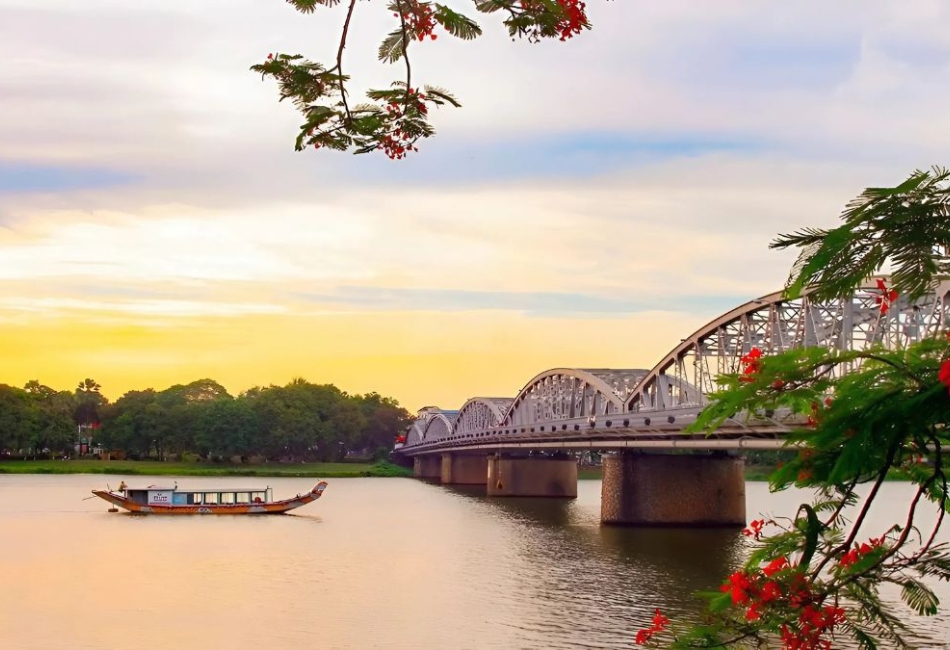
8.1. Perfume River
The Perfume River adds a romantic charm to the city of Hue. A dragon boat cruise at sunset offers stunning views of the surrounding landscapes and historical monuments.
8.2. Thien Mu Pagoda
Located on a hill overlooking the Perfume River, Thien Mu Pagoda is one of the oldest and most sacred religious sites in central Vietnam.
8.3. Royal Tombs
The royal tombs of emperors such as Minh Mang, Tu Duc, and Khai Dinh showcase impressive architecture and peaceful natural surroundings. Each tomb reflects the personality and philosophy of its emperor.
8.4. Dong Ba Market
For a taste of local life, Dong Ba Market is the perfect place to shop for souvenirs, street food, and traditional handicrafts after visiting Hue Citadel.
9. Conclusion
Hue Citadel is far more than a tourist attraction. It is a timeless symbol of Vietnam’s imperial history, artistic excellence, and cultural heritage. From majestic palaces and sacred temples to ancient walls and royal traditions, every corner of Hue Citadel offers a fascinating glimpse into the country’s glorious past.
Whether you are a history enthusiast, a cultural explorer, or simply a traveler searching for authentic experiences, Hue Citadel deserves a place at the top of your Vietnam itinerary. Its beauty, historical depth, and enduring legacy continue to captivate visitors from around the world.
If you are planning your next journey to central Vietnam, don’t miss the opportunity to discover the magic of Hue Citadel and experience the royal charm of Hue for yourself.
0 Comment