
Planning a trip to Central Vietnam? Understanding Hue Vietnam weather is one of the most important steps to ensuring a memorable travel experience. As the former imperial capital of Vietnam, Hue is famous for its UNESCO World Heritage Sites, ancient royal architecture, rich culinary traditions, and peaceful countryside. However, the city’s tropical monsoon climate means that the weather changes significantly throughout the year, influencing everything from sightseeing and outdoor adventures to local festivals and cultural activities.
Unlike many destinations in Vietnam, Hue experiences distinct dry and rainy seasons. Some months are perfect for exploring historical landmarks under clear blue skies, while others offer a romantic atmosphere with gentle rain and mist surrounding ancient temples and rivers. Whether you’re planning to visit the magnificent Hue Citadel, join a Hue Food Tour, cycle through traditional villages, or relax along the Perfume River, knowing the local climate will help you make the most of your itinerary.
This comprehensive guide explains everything you need to know about Hue Vietnam weather, including seasonal characteristics, Hue weather by month, average Hue temperatures, the best time to visit Hue Vietnam, and practical travel tips for every season.
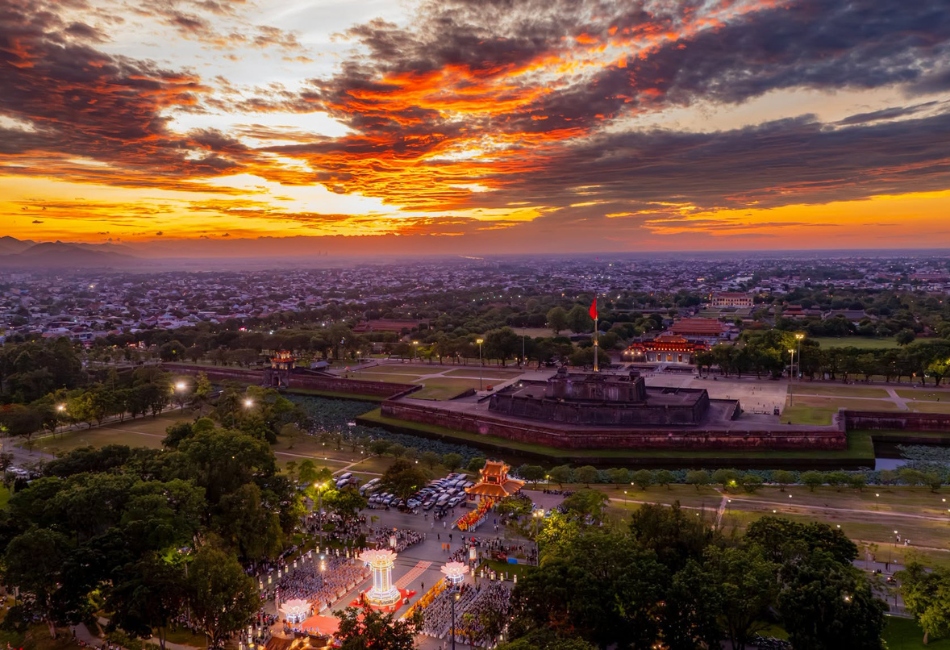
Hue Vietnam Weather Overview
Show table of content
- 1. What Is Hue Vietnam Weather Like?
- 2. Hue Vietnam Weather by Season
- 2.1. Spring (January – March)
- 2.2. Summer (April – August)
- 2.3. Autumn (September – November)
- 2.4. Winter (December)
- 3. Best Time to Visit Hue Vietnam Based on Weather
- 3.1. Best Weather for Sightseeing
- 3.2. Best Time for Beaches and Outdoor Activities
- 3.3. Best Time for Festivals
- 3.4. Best Time for Budget Travelers
- 4. What to Pack for Hue Vietnam Weather
- 5. Tips for Traveling During Hue’s Rainy Season
- 6. Conclusion
1. What Is Hue Vietnam Weather Like?
Located in Central Vietnam, Hue has a tropical monsoon climate characterized by warm temperatures throughout the year and two distinct seasons: the Hue dry season and the Hue rainy season. Thanks to its location between the Truong Son Mountains and the East Sea, the city receives more rainfall than many other destinations in Vietnam, creating lush landscapes and a vibrant natural environment.
On average, Hue temperatures range between 18°C (64°F) in the coolest months and 35°C (95°F) during the hottest days of summer. Annual humidity typically remains above 80%, contributing to the city’s green gardens, peaceful rivers, and fertile countryside.
The Hue dry season usually lasts from March to August, bringing abundant sunshine, blue skies, and ideal conditions for sightseeing and outdoor activities. Meanwhile, the Hue rainy season generally extends from September to February, when heavier rainfall, cooler temperatures, and occasional tropical storms become more common.
Although many travelers associate rain with inconvenience, the changing weather in Hue Vietnam creates unique travel experiences throughout the year. During the dry months, visitors can comfortably explore imperial architecture, beaches, and rural landscapes. During the rainy season, the city transforms into a peaceful destination where ancient buildings, lotus ponds, and tree-lined streets take on a romantic charm.
Because of these seasonal contrasts, Hue Vietnam weather plays a significant role in determining the best activities, travel costs, and overall visitor experience.

2. Hue Vietnam Weather by Season
2.1.Spring (January – March)
Spring is considered one of the most beautiful times to experience Hue Vietnam weather. Temperatures gradually rise from around 18°C to 28°C (64°F – 82°F), while rainfall decreases significantly compared to the winter months.
Fresh flowers bloom across the city, gardens become greener, and the comfortable climate encourages visitors to spend long hours outdoors. This season is particularly suitable for exploring the Hue Citadel, strolling beside the Perfume River, and visiting historic pagodas without the intense summer heat.
Spring also marks the beginning of many cultural celebrations, making it an excellent choice for travelers interested in Vietnamese traditions and local festivals.
2.2. Summer (April – August)
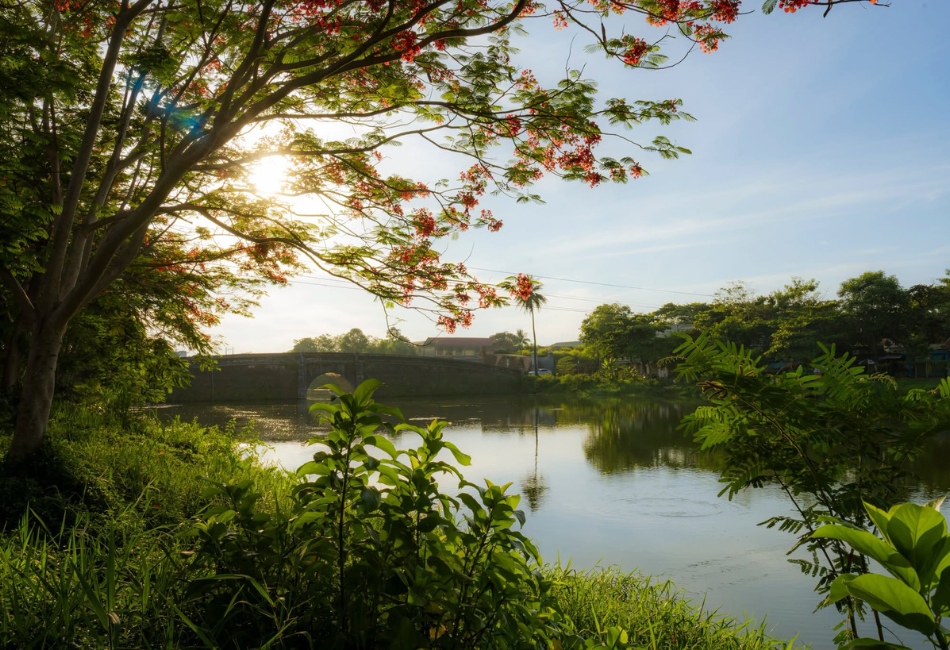
Summer brings the warmest Hue travel weather of the year. Average temperatures range between 26°C and 35°C (79°F – 95°F), with plenty of sunshine and relatively little rainfall.
Although afternoons can become quite hot, this is the ideal season for outdoor adventures. Visitors often combine historical sightseeing with beach excursions, countryside cycling, and river cruises. The dry weather also provides perfect conditions for photography and exploring open-air attractions.
Summer is highly recommended for travelers planning activities such as a Hue Countryside Tour, visiting nearby lagoons, or participating in a Hue Cooking Class, where fresh local ingredients are abundant.

2.3. Autumn (September – November)
Autumn signals the arrival of the Hue rainy season. Rainfall increases considerably, temperatures become milder, and occasional tropical storms may affect the region.
Despite the wetter conditions, many travelers appreciate this season because the city becomes quieter and more atmospheric. Mist drifting over the Perfume River, rain-soaked royal gardens, and ancient temples create unforgettable scenery for photographers and culture lovers.
If you visit during autumn, it’s wise to maintain a flexible itinerary and include indoor attractions alongside outdoor sightseeing

2.4. Winter (December)
Winter is the coolest season in Hue Vietnam weather, with average temperatures ranging from 18°C to 24°C (64°F – 75°F). Light drizzle and cloudy skies are common, but snowfall never occurs due to Hue’s tropical location.
The cooler climate offers a relaxing environment for discovering museums, traditional tea houses, historic architecture, and local restaurants. Winter is also a wonderful time to experience Hue’s slower pace of life while enjoying authentic Central Vietnamese cuisine.
Whether you prefer sunny summer adventures or the peaceful charm of misty winter mornings, every season reveals a different side of Hue Vietnam weather, making the city an appealing destination all year round.

3. Best Time to Visit Hue Vietnam Based on Weather
Choosing the right season depends on your travel style and the experiences you hope to enjoy. The good news is that Hue Vietnam weather offers something unique throughout the year, whether you’re interested in history, food, nature, or cultural festivals.
3.1. Best Weather for Sightseeing
For most travelers, February through April is considered the best time to visit Hue Vietnam. During these months, temperatures are warm but comfortable, rainfall is relatively low, and the skies are often clear.
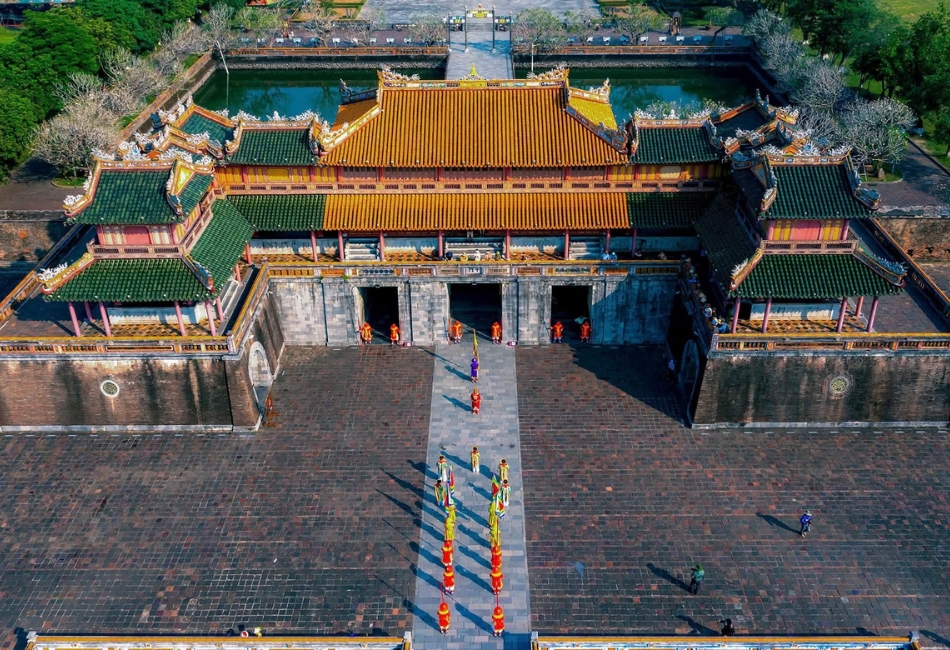
This pleasant weather makes it easy to spend entire days exploring iconic attractions such as the Hue Citadel, the Hue Royal Tombs, and the scenic Perfume River. Walking tours, cycling adventures, and outdoor photography are especially enjoyable thanks to the mild Hue climate.
3.2. Best Time for Beaches and Outdoor Activities
If you love sunshine and outdoor adventures, plan your trip between May and August. This period falls within the Hue dry season, bringing long sunny days and minimal rainfall.
It’s an ideal time to:
- Visit nearby beaches such as Thuan An and Lang Co.
- Enjoy dragon boat cruises on the Perfume River.
- Join a Hue Countryside Tour through rice fields and traditional villages.
- Discover artisan communities on one of the famous Hue Craft Villages tours.
- Experience local flavors during a Hue Food Tour in the evening when temperatures become cooler.
Although afternoons can be hot, mornings and late afternoons provide excellent conditions for sightseeing.
3.3. Best Time for Festivals
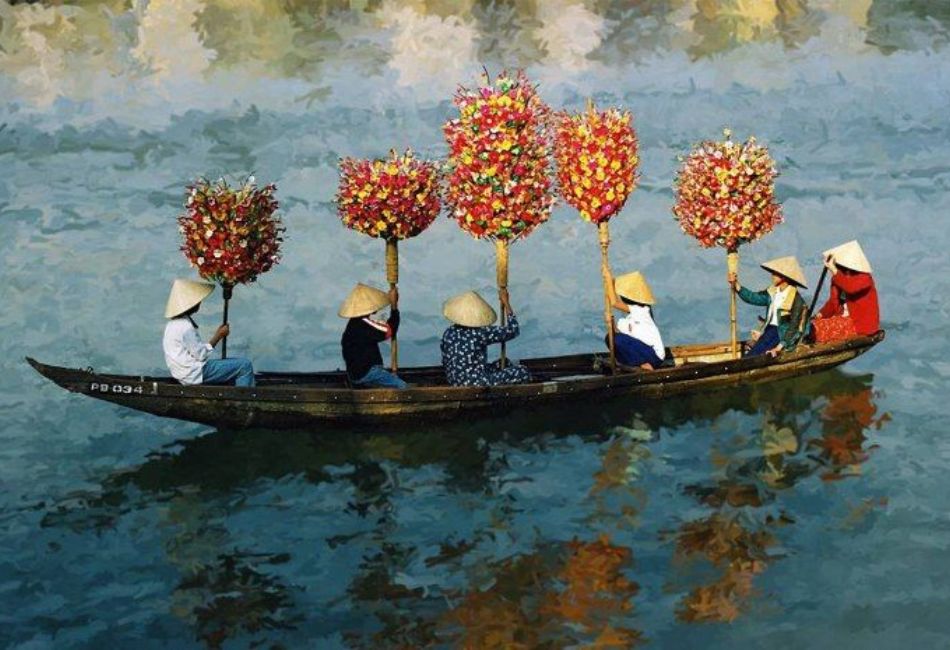
Hue is well known for its rich cultural heritage and vibrant festivals.
If your schedule is flexible, consider visiting during:
- Tet (Vietnamese Lunar New Year) – usually in late January or February.
- Hue Festival – one of Vietnam’s largest cultural events, featuring royal ceremonies, traditional music, street performances, and international art exhibitions.
Festival dates vary each year, so it’s recommended to check the official tourism calendar before planning your visit.
3.4. Best Time for Budget Travelers
For travelers looking to save money, the Hue rainy season (September to December) often offers lower hotel rates and fewer crowds.
While rainfall is more frequent, showers are rarely enough to prevent you from enjoying museums, cafés, temples, cooking classes, and many indoor attractions. With a flexible itinerary, traveling during this period can be both affordable and rewarding.
4. What to Pack for Hue Vietnam Weather
Packing appropriately will help you stay comfortable regardless of the season.
For the Hue dry season, consider bringing:
- Lightweight and breathable clothing
- Comfortable walking shoes
- Sunglasses
- Sunscreen
- A reusable water bottle
- A hat or cap
For the Hue rainy season, it’s helpful to pack:
- A compact umbrella
- A lightweight rain jacket
- Waterproof shoes or sandals
- Quick-drying clothing
- Waterproof bags for electronics
- Mosquito repellent
Because Hue Vietnam weather can change quickly, especially during transitional months, checking the local forecast a few days before departure is always recommended.
5. Tips for Traveling During Hue’s Rainy Season
Although some travelers hesitate to visit during the rainy months, the weather in Hue Vietnam can still provide an unforgettable experience.
To make the most of your trip:
- Check the weather forecast before planning outdoor activities.
- Schedule indoor attractions on rainy days.
- Leave extra travel time if heavy rain is expected.
- Carry a raincoat or umbrella throughout the day.
- Choose accommodation in the city center for easier transportation.
- Consider booking experiences such as a Hue Cooking Class, where weather has little impact on the overall experience.
Many visitors actually find the rainy season charming, as misty landscapes add a poetic atmosphere to Hue’s historic architecture and peaceful gardens.
6. Conclusion
Understanding Hue Vietnam weather is essential for planning a smooth and enjoyable journey to Vietnam’s former imperial capital. From the sunny days of the Hue dry season to the romantic charm of the Hue rainy season, every time of year offers a unique perspective on this fascinating destination.
If you’re seeking the most comfortable conditions for sightseeing, consider visiting between February and April. For beach lovers and outdoor enthusiasts, the summer months provide abundant sunshine, while budget-conscious travelers may appreciate the quieter atmosphere and lower prices during the rainy season.
No matter when you travel, Hue rewards visitors with remarkable history, unforgettable cuisine, warm hospitality, and breathtaking cultural heritage. By understanding Hue Vietnam weather before your trip, you’ll be well prepared to explore everything this UNESCO-listed city has to offer.
Whether you’re wandering through the ancient Imperial City, joining a Hue Food Tour, learning traditional recipes in a Hue Cooking Class, cycling on a Hue Countryside Tour, discovering local artisans in the Hue Craft Villages, or exploring the magnificent Hue Royal Tombs, every season offers memorable experiences waiting to be discovered.
0 Comment