
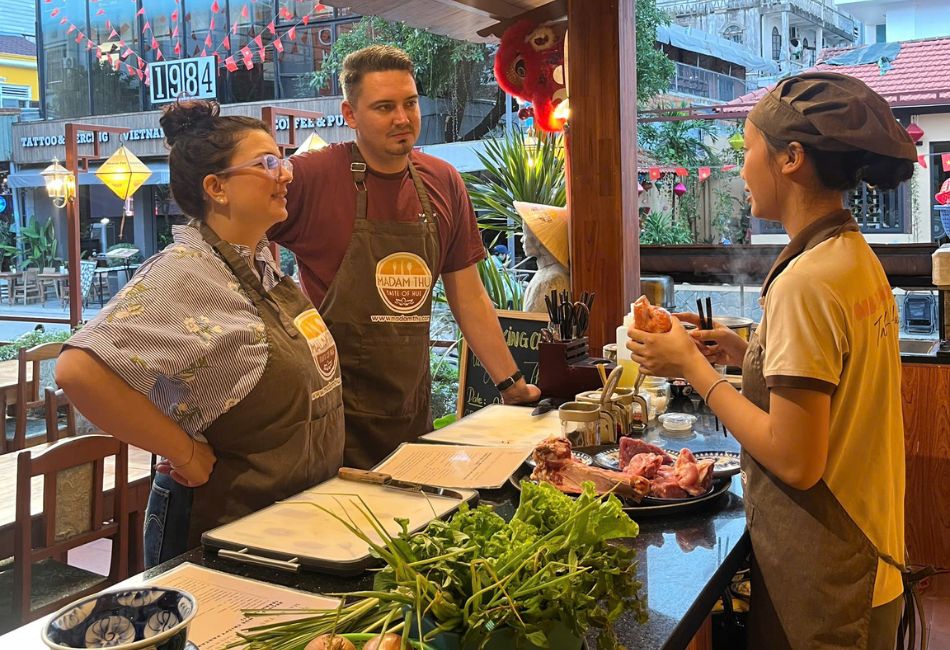
Bun Bo Hue is not just a famous Vietnamese dish. It is one of the most iconic culinary symbols of Central Vietnam, representing the heritage, history, and emotional depth of Hue cuisine. When travelers mention Vietnam’s food culture, Bun Bo Hue frequently stands alongside Pho and Banh Mi yet its flavor profile, preparation techniques, and cultural significance are uniquely profound.
Cuisine is not only something that nourishes the body. Sometimes, it is the shortest way to touch the soul of a place. In Hue, everyone knows Bun Bo Hue, but not everyone truly understands it. Only when you sit in front of a steaming bowl of this iconic beef noodle soup, breathe in the fragrant lemongrass rising from the broth, and taste the salty depth of Hue’s fermented shrimp paste, do you realize how the dish carries the memory and quiet spirit of this ancient capital.
If Pho represents the elegance of the North, and Banh Mi symbolizes the liveliness of the South, then Bun Bo Hue embodies the emotional balance of Central Vietnam strong yet gentle, rich yet refined, bold but never overwhelming.
This is why learning to cook Bun Bo Hue is not just a culinary lesson. It is a cultural gateway.
Learn to cook Bun Bo Hue in the heart of Hue. Explore the market, prepare the broth, and uncover the cultural story behind this beloved local specialty.
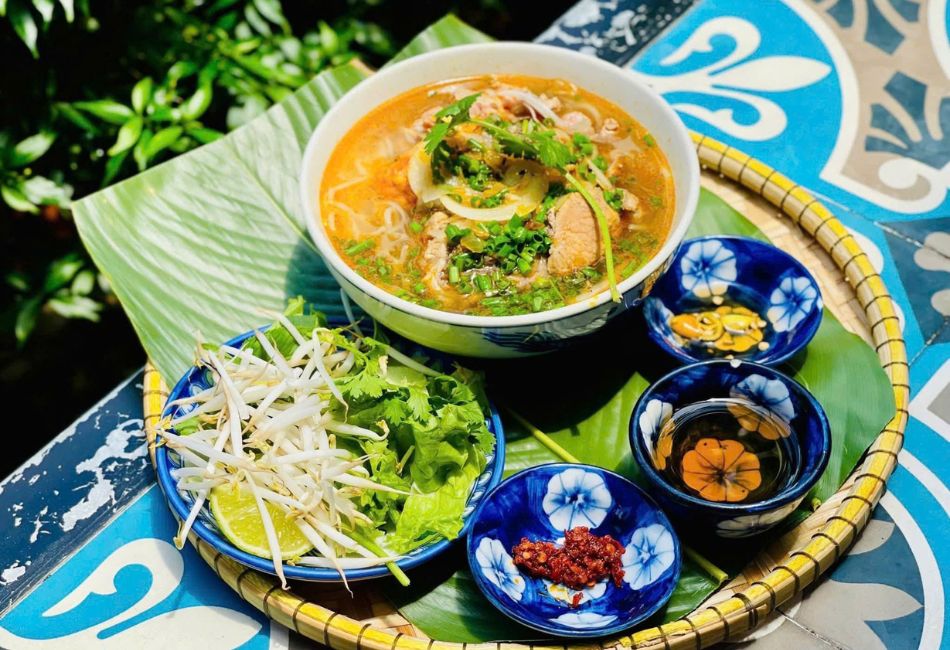
Experience the Authentic Bun Bo Hue Beef Noodle Soup in Hue
Show table of content
- 1. Bun Bo Hue and the Story of the Ancient Capital
- 2. What Makes Bun Bo Hue Truly Special
- 3. Learning to Cook Bun Bo Hue: When Food Becomes Memory
- 3.1. Begin at a Local Market
- 3.2. Return to the Kitchen and Start Cooking
- 4. Cooking Workshops Worth Trying in Hue
- 4.1. Madam Thu – Bun Bo Hue Cooking Class & Culinary Journey
- 4.2. Hue Cooking Class – Warm, Simple
- 4.3. Hue Inn Side Out – Cooking in a Garden Home
- Conclusion
1. Bun Bo Hue and the Story of the Ancient Capital
On the culinary map of Vietnam, Bun Bo Hue holds a position that is both distinct and irreplaceable. While pho offers clarity and subtlety, and southern noodles lean into sweetness and spice, this iconic Hue beef noodle soup stands in a category of its own aromatic, robust, soulful, and layered with history.
Locals often say the dish reflects the character of Hue’s people:
gentle in appearance, yet strong, thoughtful, and quietly expressive beneath the surface.
The heart of the broth comes from hours of slow simmering beef bones and pork hock, but the defining note the element that makes this soup unforgettable is Hue-style fermented shrimp paste. This ingredient is subtle yet essential; without it, the flavor would lose its identity. The balance salty, savory, aromatic, with a natural sweetness from the bones cannot be rushed. It must be nurtured patiently.
When you taste Bun Bo Hue, you are tasting Hue itself, its patience, its quiet intensity, and its timeless pride in tradition.
2. What Makes Bun Bo Hue Truly Special
A perfect bowl of Bun Bo Hue is the harmony of many thoughtful details:
- A clear yet full-bodied broth, simmered slowly with lemongrass, shallots, beef bones, and pork hock
- Thick round noodles that absorb the broth without becoming soft
- Thin slices of beef shank and tender pork knuckle, offering richness without heaviness
- Fermented shrimp paste, which gives the soup its signature depth and fragrant character
- Hue-style chili sate, adding a warm, gradual heat that enhances rather than overwhelms
Together, these elements create a dish that is deeply tied to Hue shaped by its land, its climate, and its heritage. This is not just a noodle soup; it is a culinary expression of the city’s soul.
3. Learning to Cook Bun Bo Hue: When Food Becomes Memory
Many travelers come to Hue, try the dish, and fall in love. But tasting this iconic soup is only the beginning. If you truly want to understand this Hue specialty, the deeper way is to learn to cook it yourself.
When you step into the kitchen and begin preparing Bun Bo Hue, you start to notice things you never noticed while eating:
- How the scent of lemongrass changes once it’s bruised
- How the broth shifts flavor with just one spoon of fermented shrimp paste
- How slow simmering affects clarity and depth
- How each step reflects the patience and calm rhythm of Hue
Cooking Bun Bo Hue is not about memorizing a recipe.
It’s about absorbing a feeling the gentle, steady, unhurried spirit of the city.
The moment you stir the broth, adjust the seasoning, and watch the steam rise, the dish stops being just food.
It becomes a memory – a way to hold Hue inside you.
3.1. Begin at a Local Market
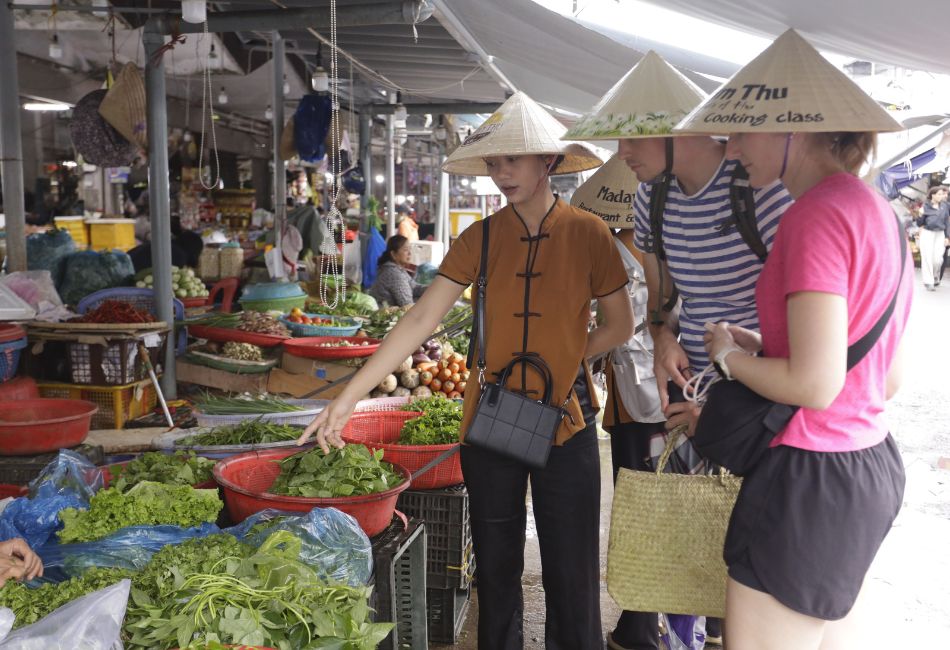
Most Bun Bo Hue cooking classes begin with a visit to a traditional market. This is where you meet the ingredients at their origin fresh, real, unpolished.
At the market, you will see:
- Bundles of fresh herbs arranged in woven bamboo baskets
- Cuts of beef shank and pork knuckle laid on wooden boards
- The aroma of lemongrass and chili drifting through the air
- The soft rhythm of Hue life in voices, footsteps, and morning laughter
Your guide will help you choose the fermented shrimp paste that gives the dish its soul.
For this iconic Hue noodle soup, the type of shrimp paste truly matters the region it comes from, the texture, and the fermentation time all influence the final depth of flavor.
This moment is where the journey begins: at the heart of daily life in Hue.
3.2. Return to the Kitchen and Start Cooking Bun Bo Hue
Back in the kitchen, you’ll learn how to prepare Bun Bo Hue step-by-step, guided by a local chef.
You’ll discover:
- How to bruise lemongrass so its aroma blooms naturally
- How to balance saltiness and umami in the broth
- How to simmer pork hock until tender yet still firm to the bite
- How to assemble your bowl with intention not just technique, but feeling
There is no strict recipe to follow.
The flavor of this Hue specialty is shaped by intuition, patience, and attention.
And that is what makes learning to cook it truly meaningful:
you’re not just making a dish, you’re absorbing the quiet rhythm of Hue itself.
4. Bun Bo Hue Cooking Workshops Worth Trying in Hue
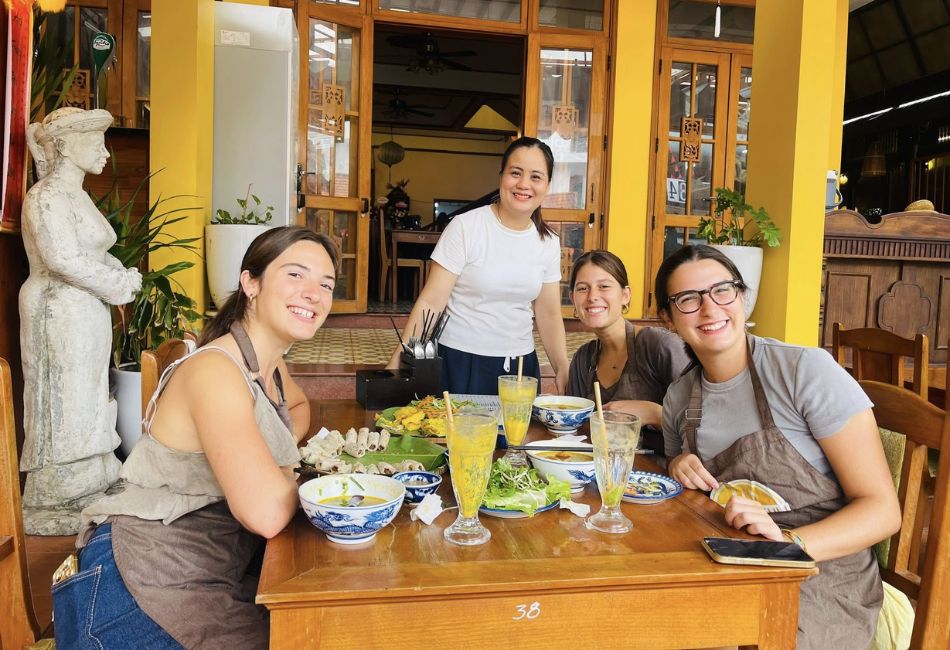
Hue offers a variety of spaces where travelers can learn to cook its famous beef noodle soup, each presenting a different style of experience. Some workshops are simple and hands-on, focusing on technique. Others are calm and scenic, inviting you to slow down and enjoy the atmosphere. And there is one that goes even further connecting the dish with culture, stories, and local identity.
Below are three recommended workshops to help you choose the one that best fits your travel style:
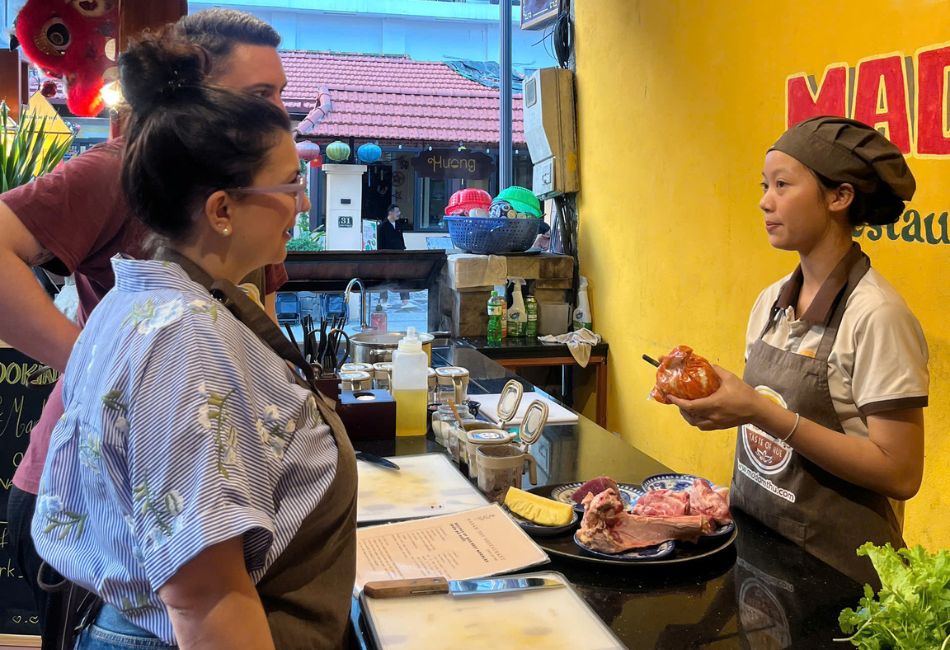
4.1. Madam Thu – Bun Bo Hue Cooking Class & Cultural Journey
Address: 04 Vo Thi Sau Street, Hue City
At Madam Thu, you don’t just learn how to cook Bun Bo Hue, you discover why the dish tastes the way it does.
The workshop begins with a market tour, where you select fresh ingredients and learn how locals choose the right shrimp paste, herbs, beef cuts, and aromatics. Then, back in the warm kitchen of Madam Thu 2, a local chef guides you step-by-step in creating your own bowl of this iconic Hue beef noodle soup.
What makes this workshop special:
- Cultural storytelling behind each ingredient
- Hands-on cooking with guidance in English and Vietnamese
- Small group size for a personal, unrushed experience
- Ends with a herbal foot bath a gentle, thoughtful Hue-style touch
If your goal is to understand the dish from its roots, not just follow a recipe then this is the workshop that reflects the true culinary spirit of Hue.
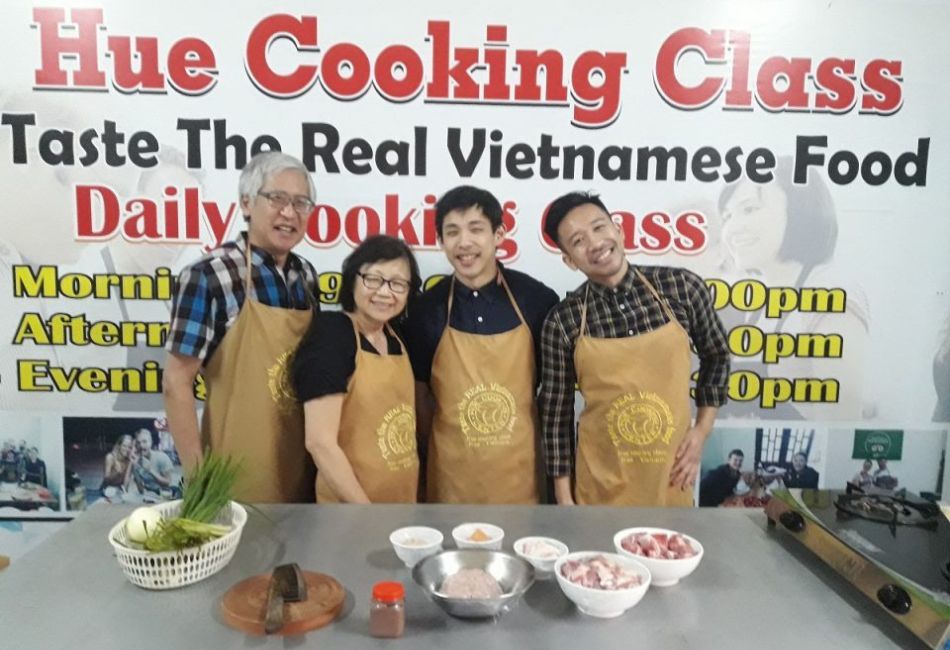
4.2. Hue Cooking Class – Warm, Simple
Address: Alley 157, Nguyen Lo Trach, Xuan Phu Ward, Hue City
This workshop suits those who enjoy a home-style, informal cooking environment.
You’ll learn the basic preparation techniques for the dish in a warm and friendly kitchen setting.
Best for: Travelers who prefer a simple, quick, and relaxed cooking experience.
However, the focus here is primarily on practical cooking steps, with less emphasis on cultural background and storytelling.
If you’re looking for a deeper connection to Hue’s culinary heritage not just how to cook, but why the flavors matter then Madam Thu offers a more complete, immersive journey.
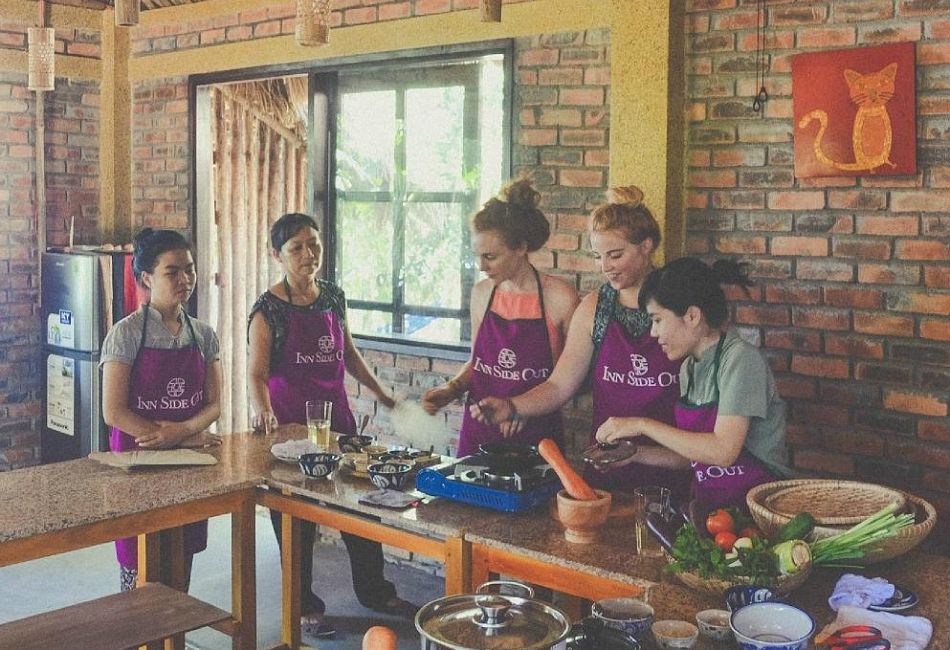
4.3. Hue Inn Side Out Cooking Class – Cooking in a Riverside Garden Home
Address: 16/572 Bui Thi Xuan, Hue City
This workshop takes place in a beautiful garden home along the Perfume River.
The atmosphere is calm, scenic, and relaxing — an ideal choice for travelers who enjoy slow travel and quiet connection with place.
Best for: Those who want peace, nature, and reflection while cooking.
However, a few things to keep in mind:
- Classes may be held with larger groups
- The main dish may vary, and the signature Hue beef noodle soup is not always the focus, depending on the day and menu
Overall, this is a lovely option if you want to feel the gentle, tranquil rhythm of Hue, while cooking and engaging with local traditions in a serene riverside setting.
Conclusion
Bun Bo Hue is more than a signature dish of Central Vietnam. It is a bowl filled with history, memory, and the quiet soul of Hue itself. From the aroma of lemongrass rising in the steam to the deep warmth of fermented shrimp paste lingering on the palate, every element tells a story of this land and its people.
Whether you enjoy it at a humble street stall or learn to cook it with your own hands, the experience brings you closer to the heart of Hue a city where flavors are gentle but enduring, and where culinary traditions live not only in kitchens, but in the lives of those who preserve them.
So when you come to Hue, don’t just eat the dish.
Feel it. Learn it. Let it stay with you.
Because some places are remembered not by what we see, but by what remains in our memory long after the last taste fades.
0 Comment