
What if the most authentic stories of Vietnam are not found in its famous landmarks, but in the hands of the artisans who have preserved their craft for generations?
Beyond bustling cities and breathtaking landscapes, Vietnam is home to countless Traditional Craft Villages where centuries-old skills continue to thrive. These villages are living cultural treasures, offering visitors a chance to witness traditional craftsmanship, meet local artisans, and discover the rich heritage that has shaped Vietnamese identity for generations. From pottery and silk weaving to folk paintings and paper flowers, each village tells a unique story of creativity, resilience, and cultural pride.
In this guide, we’ll take you on a journey through 10 of the most fascinating Traditional Craft Villages in Vietnam, destinations that offer unforgettable cultural experiences and a deeper connection to the country’s traditions.
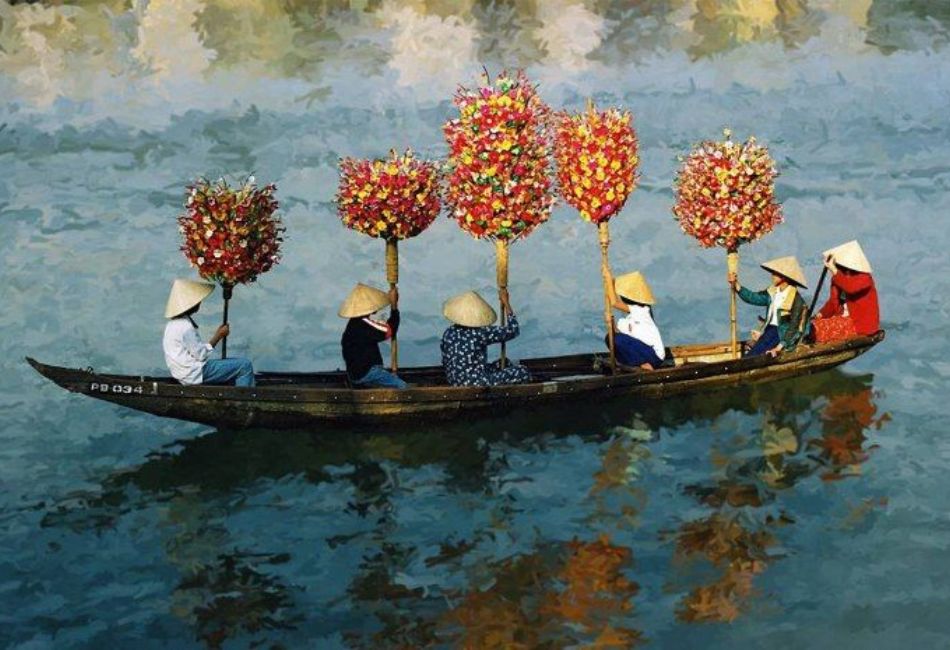
Traditional Craft Villages in Vietnam
Show table of content
- 1. Introduction
- 2. Traditional Craft Villages You Should Visit
- 2.1. Bat Trang Pottery Village (Hanoi)
- 2.2. Van Phuc Silk Village (Hanoi)
- 2.3. Thanh Tien Paper Flower Village (Hue)r
- 2.4. Sinh Folk Painting Village (Hue)
- 2.5. Kim Bong Carpentry Village (Hoi An)
- 2.6. Non Nuoc Stone Carving Village (Da Nang)
- 2.7. Phuoc Kieu Bronze Casting Village (Quang Nam)
- 2.8. Dong Ho Folk Painting Village (Bac Ninh)
- 2.9. Chuong Conical Hat Village (Hanoi)
- 2.10. Tra Que Vegetable Village (Hoi An)
- 3. Conclusion
1. Introduction
Vietnam is a land of rich cultural heritage, breathtaking landscapes, and centuries-old traditions. While many travelers are drawn to bustling cities, stunning beaches, and UNESCO World Heritage Sites, some of the country’s most authentic experiences can be found in its Traditional Craft Villages. These villages are not only places where artisans create beautiful handmade products but also living cultural treasures that preserve skills, stories, and customs passed down through generations.
For centuries, Vietnamese communities have developed specialized crafts that reflect local history, beliefs, and lifestyles. From pottery and silk weaving to paper flower making and folk painting, these Traditional Craft Villages continue to play an important role in preserving the nation’s identity. Visiting them offers travelers a unique opportunity to witness traditional craftsmanship, interact with local artisans, and gain a deeper understanding of Vietnamese culture.
Whether you are passionate about history, art, or cultural tourism, exploring Traditional Craft Villages is one of the most rewarding experiences in Vietnam. Here are ten villages that deserve a place on your travel itinerary.

2.Traditional Craft Villages You Should Visit
2.1. Bat Trang Pottery Village (Hanoi)
Located on the outskirts of Hanoi, Bat Trang is one of the most famous Traditional Craft Villages in Vietnam. With a history of more than 700 years, the village has become a symbol of Vietnamese ceramic art.
Visitors can stroll through narrow streets lined with pottery workshops, watch artisans shape clay on traditional wheels, and even create their own ceramic products. Bat Trang’s pottery is admired for its durability, elegant designs, and cultural significance.
Among all the Traditional Craft Villages in northern Vietnam, Bat Trang remains one of the most popular destinations for both domestic and international visitors.

2.2. Van Phuc Silk Village (Hanoi)
Van Phuc Silk Village is renowned for producing some of the finest silk in Vietnam. The village’s weaving tradition dates back over a thousand years, making it one of the oldest Traditional Craft Villages in the country.
Walking through the village, visitors can observe traditional looms in action and discover how silk threads are transformed into luxurious fabrics. The vibrant colors and intricate patterns found in Van Phuc silk continue to attract fashion designers and textile enthusiasts from around the world.

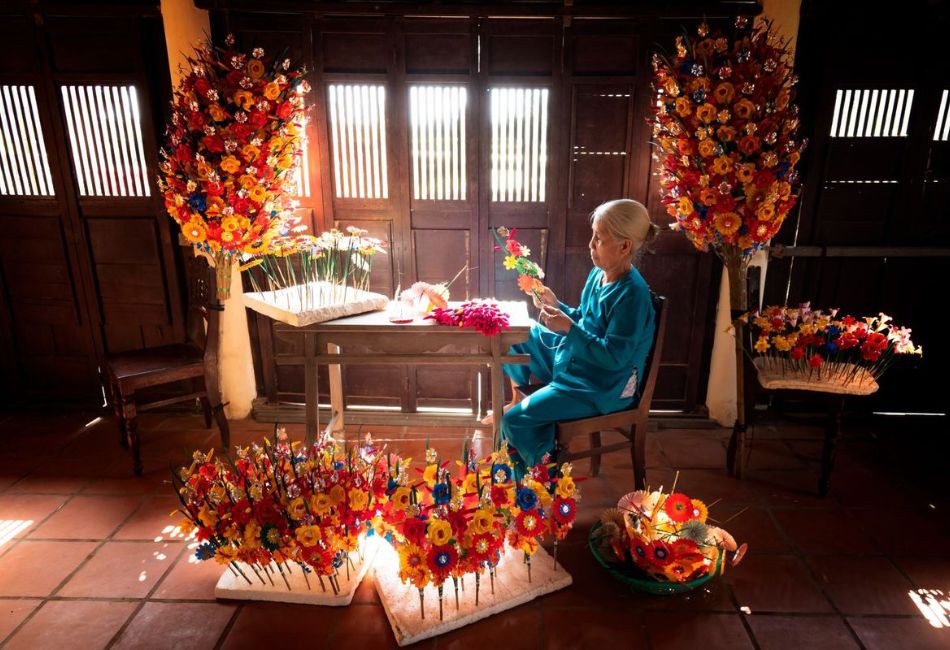
2.3. Thanh Tien Paper Flower Village (Hue)
Located near Hue, Thanh Tien Village is famous for its handcrafted paper flowers. For generations, artisans have carefully created colorful lotus flowers and decorative blooms used in religious ceremonies and traditional festivals.
Unlike fresh flowers, these paper creations can last for years while maintaining their beauty. This unique art form makes Thanh Tien one of the most distinctive Traditional Craft Villages in central Vietnam.
Visitors can join workshops, learn the flower-making process, and create their own handmade souvenirs while discovering an important aspect of Hue’s cultural heritage.
Explore This Tour: Hue: Craft Villages Motorbike Adventure with Lady Rider
2.4. Sinh Folk Painting Village (Hue)
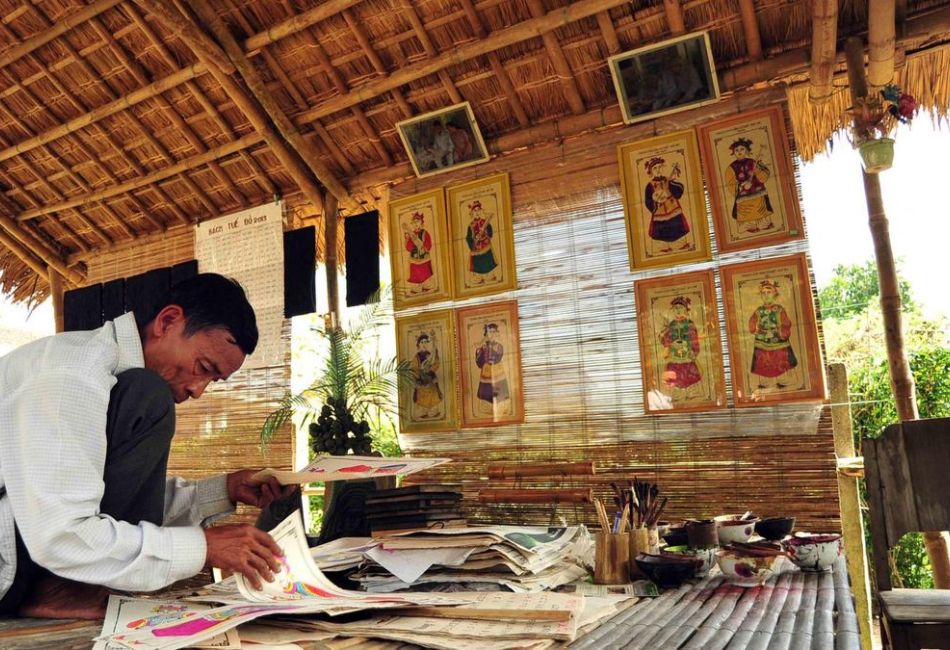
Just outside Hue lies Sinh Village, home to one of Vietnam’s oldest folk painting traditions. The village specializes in woodblock prints that depict daily life, spiritual beliefs, and traditional customs.
As one of the most culturally significant Traditional Craft Villages, Sinh Village preserves a valuable artistic tradition that has been practiced for centuries. Artisans continue to use handmade paper and natural pigments to create vibrant works of art.
For travelers seeking authentic cultural experiences, this village offers fascinating insights into traditional Vietnamese storytelling through visual art.
Explore This Tour: Hue: Craft Villages Motorbike Adventure with Lady Rider
2.5. Kim Bong Carpentry Village (Hoi An)
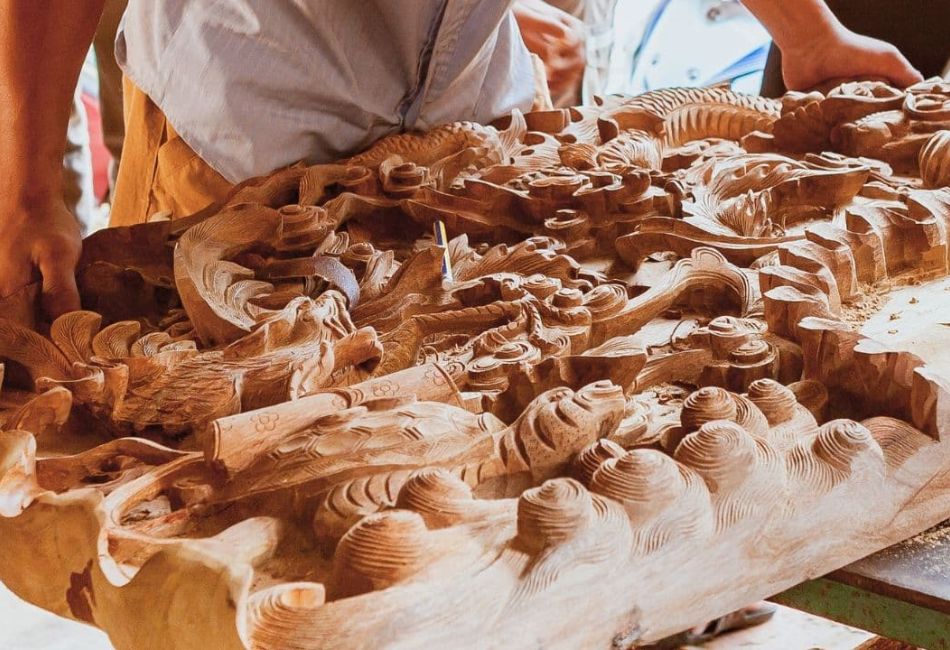
Situated across the Thu Bon River from Hoi An Ancient Town, Kim Bong Village is known for its exceptional woodworking skills. For centuries, local craftsmen have built houses, temples, fishing boats, and intricate furniture pieces.
The artisans of Kim Bong played a major role in shaping the architectural beauty of Hoi An. Today, visitors can explore workshops, observe wood carving techniques, and purchase handmade products.
Kim Bong remains one of Vietnam’s most respected Traditional Craft Villages, showcasing the precision and creativity of local craftsmen.
2.6. Non Nuoc Stone Carving Village (Da Nang)
Nestled at the foot of the Marble Mountains, Non Nuoc Stone Carving Village has been producing remarkable stone sculptures for more than 400 years.
This is one of the most impressive Traditional Craft Villages in Vietnam, where artisans transform marble and stone into intricate statues, decorative items, and religious sculptures. The level of craftsmanship displayed in these creations is truly extraordinary.
Visitors can watch artisans at work and gain a deeper appreciation for the patience and skill required to master this traditional craft.

2.7. Phuoc Kieu Bronze Casting Village (Quang Nam)
Phuoc Kieu Village has been famous for bronze casting since the seventeenth century. The village specializes in producing traditional gongs, bells, musical instruments, and ceremonial objects.
Among the many Traditional Craft Villages in Vietnam, Phuoc Kieu stands out for preserving an ancient metalworking tradition that remains closely connected to Vietnamese spiritual and cultural life.
The rhythmic sounds of bronze being shaped by skilled craftsmen create a memorable experience for visitors interested in traditional industries.

2.8. Dong Ho Folk Painting Village (Bac Ninh)
Dong Ho Village is one of Vietnam’s most celebrated centers of folk art. The village’s colorful woodblock prints often depict scenes of rural life, cultural festivals, and symbolic animals associated with good fortune.
As one of the most iconic Traditional Craft Villages, Dong Ho has become a symbol of Vietnamese artistic heritage. Each painting is produced using natural pigments derived from plants, minerals, and seashells, giving the artwork its distinctive appearance.
Visiting the village offers a fascinating glimpse into the cultural values and traditions of northern Vietnam.

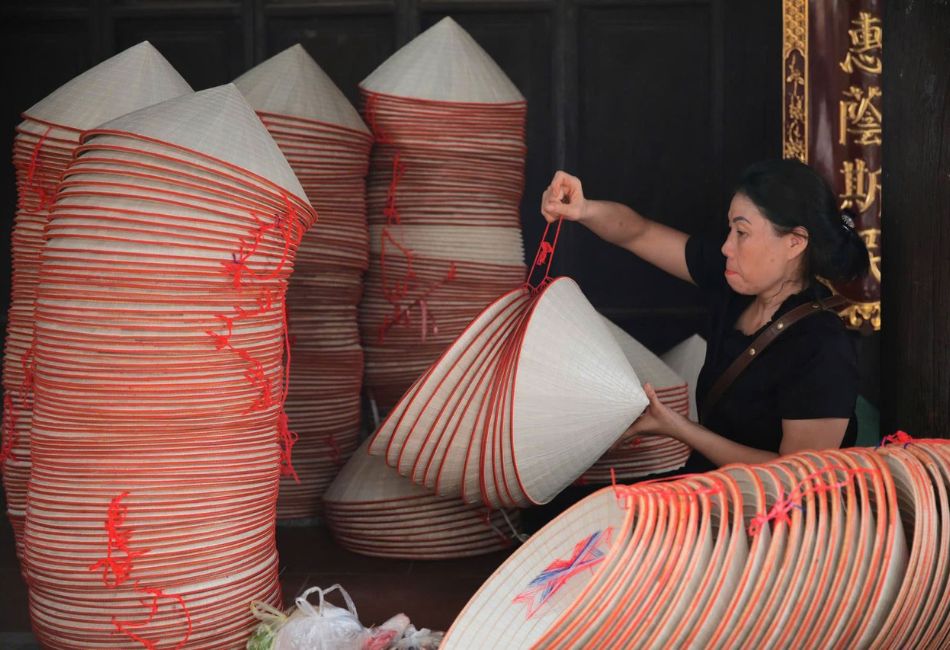
2.9. Chuong Conical Hat Village (Hanoi)
The conical hat, or Non La, is one of Vietnam’s most recognizable cultural symbols. Chuong Village has specialized in crafting these elegant hats for hundreds of years.
Visitors can observe the meticulous process of selecting palm leaves, constructing bamboo frames, and stitching the final product by hand. The craftsmanship involved demonstrates why Chuong remains one of the most beloved Traditional Craft Villages in the country.
A handmade conical hat from Chuong Village makes a meaningful and authentic souvenir.
2.10. Tra Que Vegetable Village (Hoi An)
While many Traditional Craft Villages focus on handicrafts, Tra Que Village highlights Vietnam’s agricultural heritage. For generations, local farmers have cultivated vegetables using traditional organic farming methods.
Visitors can participate in farming activities, learn sustainable cultivation techniques, and enjoy fresh farm-to-table meals prepared with ingredients harvested directly from the fields.
Tra Que offers a different perspective on traditional craftsmanship by showcasing the knowledge and skills involved in sustainable agriculture.

3. Conclusion
Vietnam’s Traditional Craft Villages are more than just tourist destinations; they are living symbols of the country’s rich cultural heritage. Each village preserves unique skills, traditions, and stories that have been passed down through generations. From the pottery of Bat Trang and the silk weaving of Van Phuc to the paper flowers of Thanh Tien and the folk paintings of Dong Ho, these Traditional Craft Villages offer authentic experiences that cannot be found elsewhere.
Visitors have the opportunity to meet local artisans, learn about traditional lifestyles, and support communities dedicated to preserving Vietnam’s cultural identity. For an even deeper cultural experience, travelers can combine visits to Traditional Craft Villages with activities such as cooking classes, market tours, and countryside excursions. If you’re planning a trip to Hue, be sure to explore our guides “Hue Cooking Class: Top 10 Destinations for Authentic Village Experiences“ and “Where to Stay in Hue: Ultimate Hue Hotel & Area Guide for Travelers“ for more inspiration on creating a memorable and authentic journey.
0 Comment