
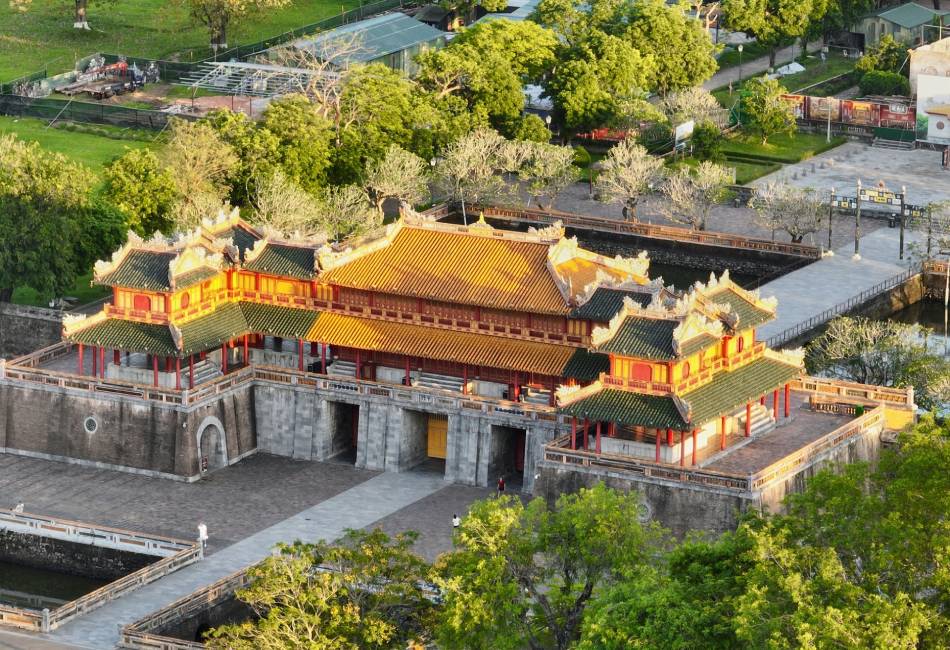
Hue Imperial City is one of Vietnam’s most remarkable historical landmarks and an essential destination for anyone visiting the former imperial capital. With its magnificent gates, royal palaces, ancient temples, and peaceful courtyards, the complex offers visitors a fascinating journey through Vietnam’s imperial history.
Before stepping inside this UNESCO World Heritage Site, however, there are a few practical details worth knowing. Where can you purchase entrance tickets? How much does admission cost? Can you buy tickets online? And what is the best time to explore the Imperial City?
Understanding how the hue imperial city ticket office works can help you avoid unnecessary confusion and make the most of your sightseeing experience.
Whether you’re planning a short visit or spending several days discovering Hue’s cultural heritage, this comprehensive guide covers everything you need to know about the hue imperial city ticket office, ticket options, opening hours, transportation, and useful travel tips.
You’ll also discover the best attractions inside the Imperial City and some authentic local experiences worth exploring after your visit.
Hue Imperial City Ticket Office
Show table of content
- 1. Understanding Hue Imperial City Before Your Visit
- 2. Where Is the Hue Imperial City Ticket Office?
- 3. Hue Imperial City Entrance Ticket Prices
- 4. How to Buy Tickets at the Hue Imperial City Ticket Office
- 5. Hue Imperial City Opening Hours & Best Time to Visit
- 6. Top Attractions Inside Hue Imperial City
- 6.1. Ngo Mon Gate – The Meridian Gate
- 6.2. Thai Hoa Palace – The Hall of Supreme Harmony
- 6.3. The Forbidden Purple City
- 6.4. The To Mieu Temple Complex
- 6.5. Hien Lam Pavilion and the Nine Dynastic Urns
- 6.6. Dien Tho Residence
- 7. Essential Travel Tips for First-Time Visitors
- 8. Suggested Half-Day Itinerary for Hue Imperial City
- 9. What to Do After Visiting Hue Imperial City
- 10. Frequently Asked Questions About Hue Imperial City Ticket Office
- Conclusion
1. Understanding Hue Imperial City Before Your Visit
Before heading to the hue imperial city ticket office, it helps to understand what makes this historical complex so important.
Hue served as Vietnam’s imperial capital under the Nguyen Dynasty from 1802 to 1945. During this period, the city became the political, cultural, and ceremonial center of the country.
Today, Hue’s surviving royal monuments provide a remarkable connection to that period of Vietnamese history.
What Is Hue Imperial City?
Hue Imperial City, also known as Hoang Thanh, was the administrative and ceremonial center of the Nguyen Dynasty.
Construction began under Emperor Gia Long in the early nineteenth century, and the complex was developed and expanded under subsequent emperors.
Its architecture reflects a combination of traditional Vietnamese design, Confucian principles, and royal symbolism.
Inside the Imperial City, visitors can explore ceremonial halls, ancestral temples, royal residences, gardens, and restored historical structures.
Although parts of the complex were damaged during periods of conflict, ongoing conservation and restoration efforts have helped preserve its historical significance.
Hue Citadel vs. Imperial City: What’s the Difference?
Many international travelers use the terms “Hue Citadel” and “Hue Imperial City” interchangeably, but they refer to different areas.
Hue Citadel (Kinh Thanh) is the large fortified enclosure that surrounds much of Hue’s historic northern district.
Within the Citadel lies the Imperial City (Hoang Thanh), a more restricted area that once housed important royal administrative and ceremonial buildings.
Inside the Imperial City is the Forbidden Purple City (Tu Cam Thanh), which was historically reserved for the emperor, royal family, and authorized palace personnel.
Understanding this distinction is helpful when navigating Hue.
You can explore parts of the wider Citadel without purchasing an Imperial City entrance ticket. However, admission is required to enter the designated Imperial City visitor area.
Why Is Hue Imperial City Worth Visiting?
Hue Imperial City is part of the Complex of Hue Monuments, which was recognized as a UNESCO World Heritage Site in 1993.
Beyond its architectural beauty, the complex tells the story of Vietnam’s last imperial dynasty.
Visitors can learn about royal ceremonies, political traditions, court life, and the artistic achievements of the Nguyen period.
For travelers interested in Vietnamese culture, it offers an experience that goes far beyond simply taking photographs of historical buildings.
2. Where Is the Hue Imperial City Ticket Office?
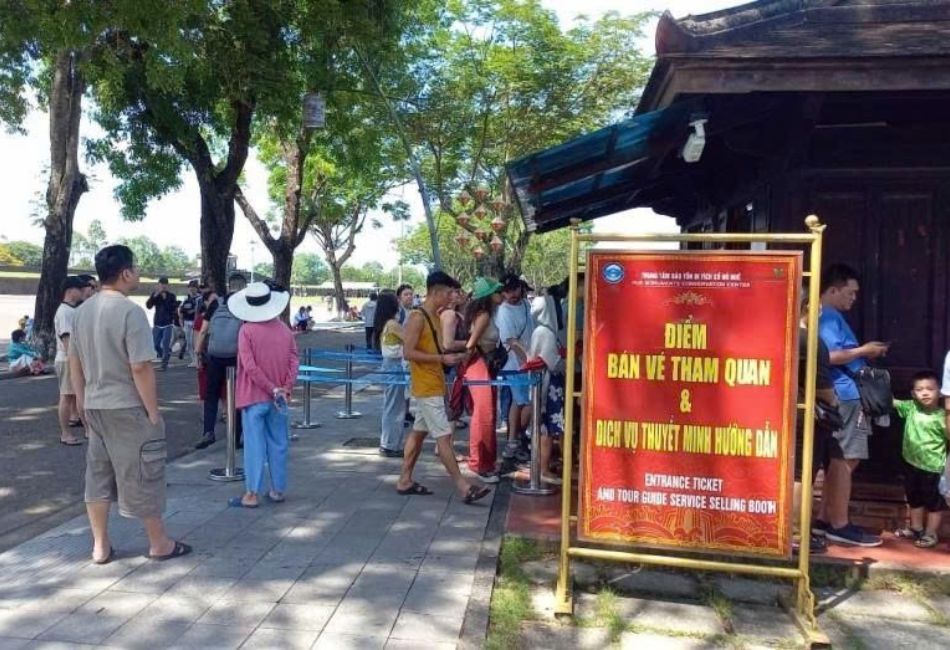
One of the most common questions travelers ask before visiting is where to purchase their entrance tickets.
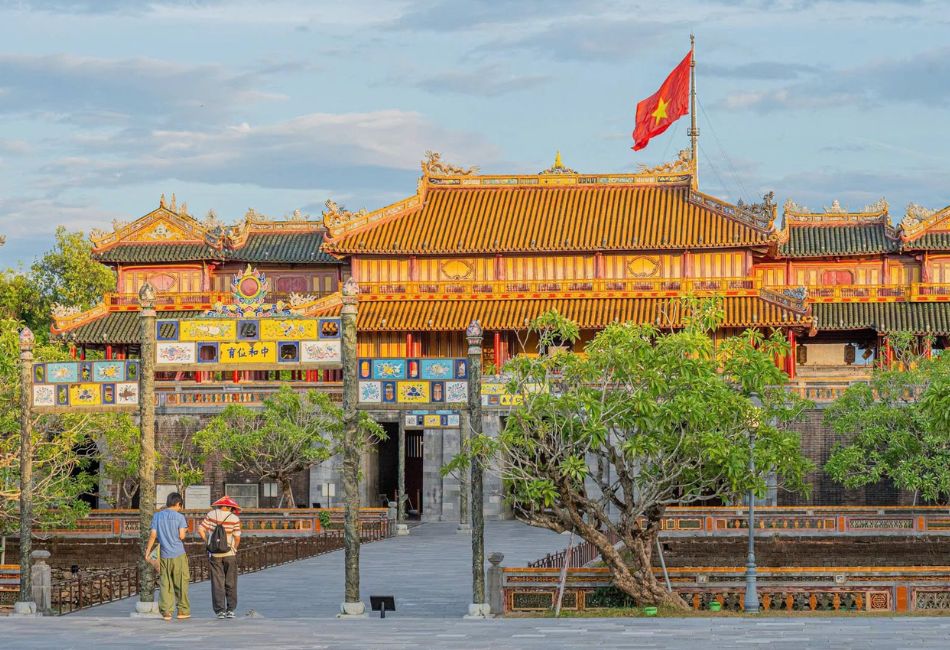
The hue imperial city ticket office is located near Ngo Mon Gate, the main southern entrance to the Imperial City.
This is the entrance area most visitors use when exploring the historical complex.
Finding the Main Entrance at Ngo Mon Gate
Ngo Mon Gate, also known as the Meridian Gate, is one of the most recognizable landmarks in Hue.
Its imposing stone structure and elegant upper pavilion make it easy to identify.
When approaching the Imperial City, look for signs directing visitors toward the official entrance and ticket-selling area.
Because visitor arrangements can change during restoration work or special events, follow the on-site signage rather than assuming every nearby gate is open to tourists.
How to Get to the Ticket Office
The Imperial City is located on the northern side of the Perfume River, approximately 2 kilometers from Hue’s central tourist district.
There are several convenient ways to reach the hue imperial city ticket office.
Walking
If you’re staying near the Perfume River, walking can be an enjoyable option.
Cross Truong Tien Bridge and continue toward the Citadel.
Depending on your starting point, the journey generally takes around 25–40 minutes.
Walking also gives you the opportunity to observe local life, explore traditional streets, and appreciate the atmosphere of Hue.
Bicycle
Hue’s relatively flat terrain makes cycling a popular choice for visitors.
You can follow the river, explore the streets surrounding the Citadel, and enjoy a slower journey through the city.
Be sure to park your bicycle in a designated area before entering the historical complex.
Taxi or Grab
For a more convenient journey, especially during hot or rainy weather, consider taking a taxi or booking a ride through Grab.
Enter “Ngo Mon Gate” or “Hue Imperial City” as your destination.
Traditional Cyclo
A cyclo ride is another interesting way to reach the Imperial City.
This traditional form of transportation allows you to experience Hue at a relaxed pace while enjoying views of the city’s historic streets.
Agree on the price and route before beginning your journey.
What to Know Before Arriving
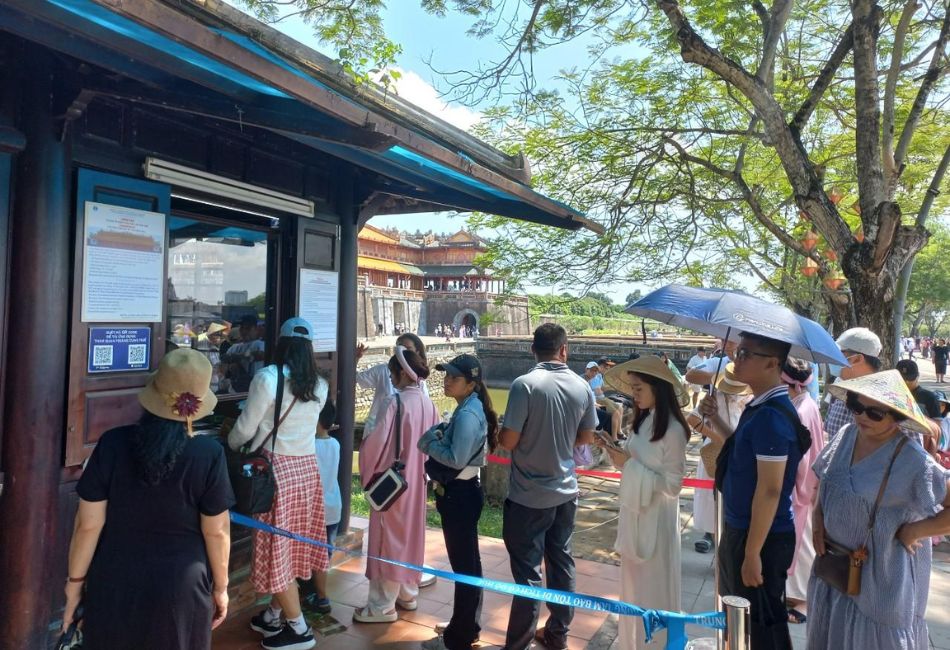
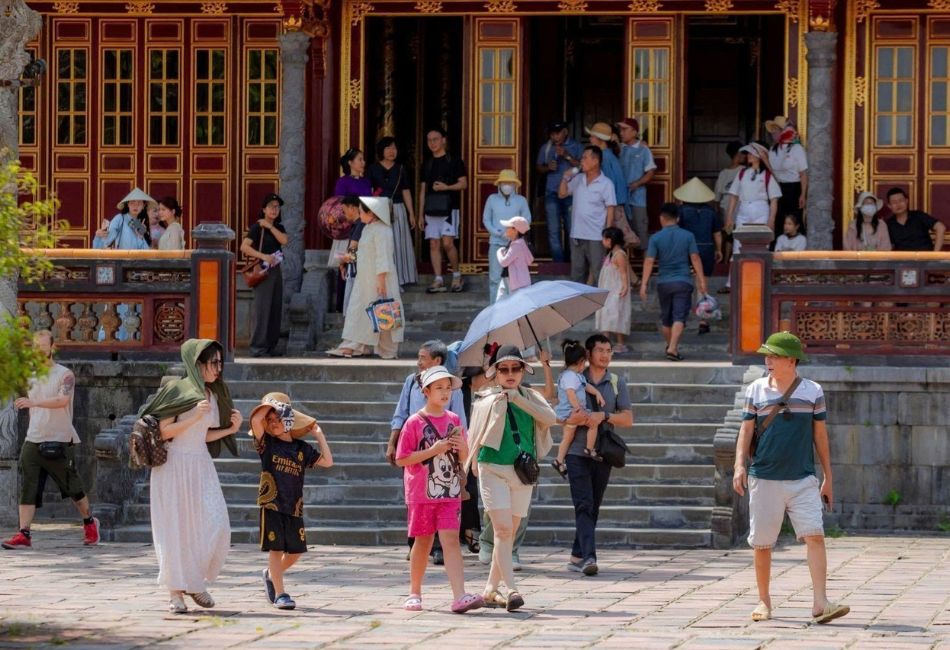
If you’re visiting during weekends, public holidays, or peak travel periods, allow additional time for purchasing tickets and entering the complex.
It is also worth checking whether any sections are temporarily closed for restoration.
Arriving with a general sightseeing plan will help you spend more time exploring and less time deciding where to go.
3. Hue Imperial City Entrance Ticket Prices
Ticket prices are an important consideration when planning your visit.
Before arriving at the hue imperial city ticket office, you should understand the difference between standard admission and combination tickets.
Standard Entrance Ticket Prices
The following prices are commonly published reference rates:
| Visitor Category | Reference Ticket Price |
|---|---|
| Adults | 200,000 VND |
| Children aged 7–12 | 40,000 VND |
| Children under 7 | Free |
Important: These figures are provided for general reference and have not been verified as the current October 2026 admission rates.
Ticket categories, age requirements, and admission prices may change.
For the most accurate information, consult the official Hue heritage ticketing channels before visiting.
Combination Tickets for Hue’s Royal Attractions
Hue is home to several impressive royal tombs, many of which are located outside the city center.
If you’re planning to visit multiple historical attractions, a combination ticket may be worth considering.
Depending on the packages available, combination tickets may include:
- Hue Imperial City
- Minh Mang Tomb
- Khai Dinh Tomb
- Tu Duc Tomb
Each royal tomb offers a different architectural style and historical atmosphere.
Minh Mang Tomb is admired for its harmonious landscape design, where lakes, gardens, and traditional structures blend into the surrounding environment.
Khai Dinh Tomb is known for its elaborate decorative details and distinctive combination of Vietnamese and European architectural influences.
Tu Duc Tomb features peaceful gardens, lakes, and pavilions that reflect the emperor’s appreciation for poetry and nature.
Exploring these monuments alongside the Imperial City provides a broader understanding of Nguyen Dynasty history.
Which Ticket Option Should You Choose?
The best option depends on your itinerary.
If you have only a few hours in Hue, purchasing a standard Imperial City ticket is usually the most practical choice.
If you have two or three days and want to explore several royal tombs, a combination ticket may offer better value.
At the hue imperial city ticket office, ask about the available packages, included attractions, and ticket validity periods before making your purchase.
Are There Any Discounts or Free Admission Options?
Admission policies may include special rates or exemptions for eligible visitor categories.
However, these arrangements can change and may require supporting documentation.
If you think you may qualify for a discount, check the current admission policy or ask the ticketing staff.
Avoid relying on outdated travel blogs or social media posts when planning your budget.
4. How to Buy Tickets at the Hue Imperial City Ticket Office
Purchasing tickets at the hue imperial city ticket office is generally straightforward.
Here is a simple guide to help first-time visitors.
Step 1: Find the Official Ticket Counter
When you arrive near Ngo Mon Gate, follow the signs to the designated ticket-selling area.
If you’re unsure where to go, ask an official staff member for assistance.
During busy periods, there may be a queue, so allow a little extra time.
Step 2: Select Your Ticket
Choose the admission option that best suits your travel plans.
If you’re only exploring the Imperial City, a standard entrance ticket may be sufficient.
If you’re visiting additional royal monuments, ask about combination tickets.
Make sure you understand which attractions are included before paying.
Step 3: Complete Your Payment
Follow the instructions provided at the counter.
It’s advisable to carry some Vietnamese dong, even if electronic payment methods are available.
If you need a receipt or have questions about the transaction, ask before leaving the counter.
Step 4: Keep Your Ticket
Keep your ticket accessible until you’ve completed the admission process.
If you’ve purchased a combination ticket, retain it for use at the other included attractions.
Avoid damaging or discarding your ticket before your sightseeing itinerary is complete.
Can You Buy Hue Imperial City Tickets Online?
Travelers who prefer to plan ahead may wish to check whether online admission tickets are available.
Official heritage ticketing platforms may offer online purchasing options, depending on current arrangements.
Before making a payment, verify that the website is authorized and review the ticket conditions.
For travelers who prefer buying tickets in person, the hue imperial city ticket office is a convenient alternative.
5. Hue Imperial City Opening Hours & Best Time to Visit
Planning your visit around the weather and opening hours can significantly improve your experience.
When Does Hue Imperial City Open?
The Imperial City generally welcomes visitors during daytime hours.
However, opening times, last-admission times, and special access arrangements may vary depending on the season, conservation activities, or events.
Before traveling to the hue imperial city ticket office, check the latest official visitor information.
This is particularly important if you’re planning to visit late in the afternoon.
Best Time of Day to Visit
Early Morning
Early morning is often the most comfortable time to explore the Imperial City.
The temperature is usually cooler, and the softer natural light creates excellent conditions for photography.
Arriving early may also help you avoid larger crowds.
Late Afternoon
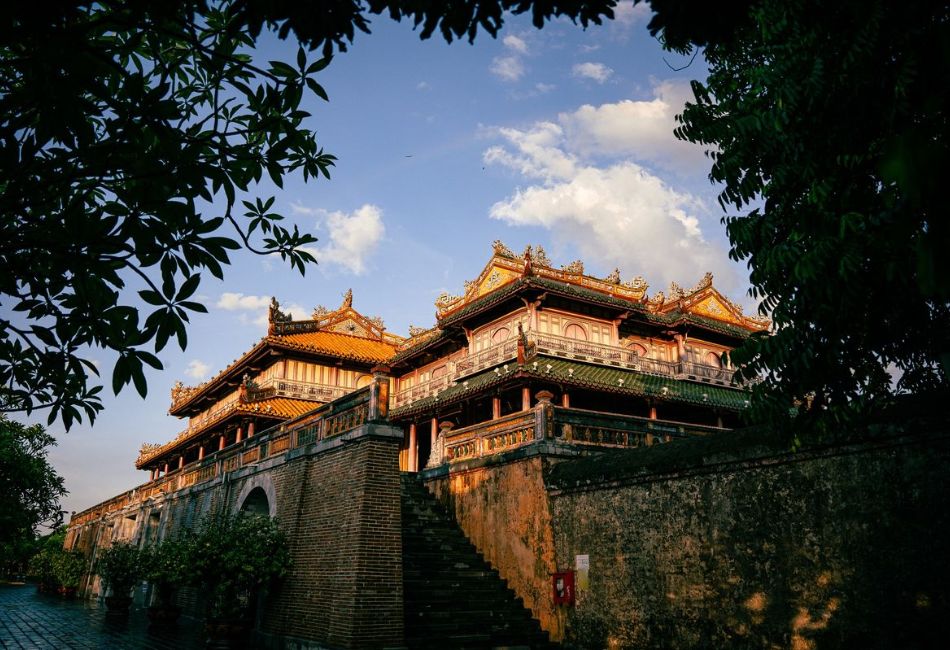
Late afternoon offers beautiful lighting, especially around Ngo Mon Gate and the palace courtyards.
The warm sunlight highlights the textures and colors of the historical architecture.
However, make sure you have enough time to complete your visit before closing.
Best Season to Explore Hue Imperial City
Hue has a tropical monsoon climate, with noticeable seasonal differences.
February to April
These months often offer relatively pleasant conditions for sightseeing.
Temperatures are generally more comfortable than during the hottest summer months.
May to August
Summer can be hot and humid, especially around midday.
If you’re visiting during this period, consider exploring early in the morning and carrying plenty of water.
September to December
Hue experiences much of its annual rainfall during the later months of the year.
Heavy rain can affect outdoor sightseeing, so check the weather forecast and remain flexible with your itinerary.
How Much Time Do You Need?
Most visitors should allow approximately 2–3 hours to explore the Imperial City’s main attractions.
If you enjoy history, photography, or architecture, consider spending half a day.
The complex is extensive, and rushing between buildings can make it difficult to appreciate the details.
6. Top Attractions Inside Hue Imperial City
Once you’ve purchased your ticket at the hue imperial city ticket office, you’ll have the opportunity to explore some of Vietnam’s most significant royal monuments.
Here are several highlights worth including in your itinerary.
6.1. Ngo Mon Gate – The Meridian Gate
Ngo Mon Gate is the iconic entrance to the Imperial City.
Built during the reign of Emperor Minh Mang, the gate played an important role in royal ceremonies.
Its architecture combines imposing stone foundations with an elegant upper pavilion.
The gate is also associated with significant moments in Vietnamese history, including the end of the Nguyen monarchy in 1945.
Take a moment to admire the structure before continuing into the Imperial City.
6.2. Thai Hoa Palace – The Hall of Supreme Harmonyn
Thai Hoa Palace was one of the most important ceremonial buildings of the Nguyen Dynasty.
It served as the setting for major court ceremonies and formal royal occasions.
The palace’s architecture reflects the importance of hierarchy, symbolism, and tradition in imperial Vietnamese culture.
Its decorative details and carefully arranged interior offer insight into the artistic achievements of the Nguyen period.
6.3. The Forbidden Purple City
Located within the Imperial City, the Forbidden Purple City was once the private residential area of the emperor and members of the royal household.
Access was highly restricted during the Nguyen Dynasty.
Many original structures were damaged or destroyed during periods of conflict, but conservation and restoration work continues.
Exploring this area provides a fascinating perspective on the private lives of Vietnam’s former emperors.
6.4. The To Mieu Temple Complex
The To Mieu is an ancestral temple dedicated to emperors of the Nguyen Dynasty.
The complex reflects the importance of ancestor worship and Confucian traditions in Vietnamese royal life.
Its peaceful courtyards and traditional architectural details make it a meaningful stop for visitors interested in history and culture.
6.5. Hien Lam Pavilion and the Nine Dynastic Urns
Hien Lam Pavilion is an elegant three-story structure associated with the commemoration of the Nguyen Dynasty’s achievements.
Nearby, the Nine Dynastic Urns are among the most remarkable bronze artworks of the Nguyen period.
Each urn features intricate decorative motifs depicting landscapes, animals, plants, and other symbols associated with Vietnam.
Together, these monuments reveal the artistic craftsmanship and cultural symbolism of the imperial era.
6.5. Dien Tho Residence
Dien Tho Residence was associated with the queen mothers of the Nguyen Dynasty.
The complex includes traditional residential structures and courtyards that provide insight into royal family life.
Compared with the more formal ceremonial buildings, this area offers a different perspective on the daily environment of the imperial household.
7. Essential Travel Tips for First-Time Visitors
Visiting Hue Imperial City is a rewarding experience, but a little preparation can make your trip much more comfortable.
What to Wear
Choose lightweight, breathable clothing suitable for walking outdoors.
Comfortable shoes are especially important because the complex covers a large area.
As the Imperial City includes temples and ceremonial spaces, respectful clothing is recommended.
What to Bring
Consider carrying:
- Drinking water
- Sunscreen and a hat
- Comfortable walking shoes
- A lightweight umbrella or raincoat
- A phone or camera
- Some Vietnamese dong
- A portable phone charger
During the summer, staying hydrated is particularly important.
Should You Hire a Local Guide?
If you’re interested in Vietnamese history, hiring a knowledgeable local guide can significantly enrich your experience.
A guide can explain the symbolism behind the architecture, the roles of different buildings, and important events associated with the Nguyen emperors.
For independent travelers, reading about the main attractions before visiting is another useful option.
Photography Tips
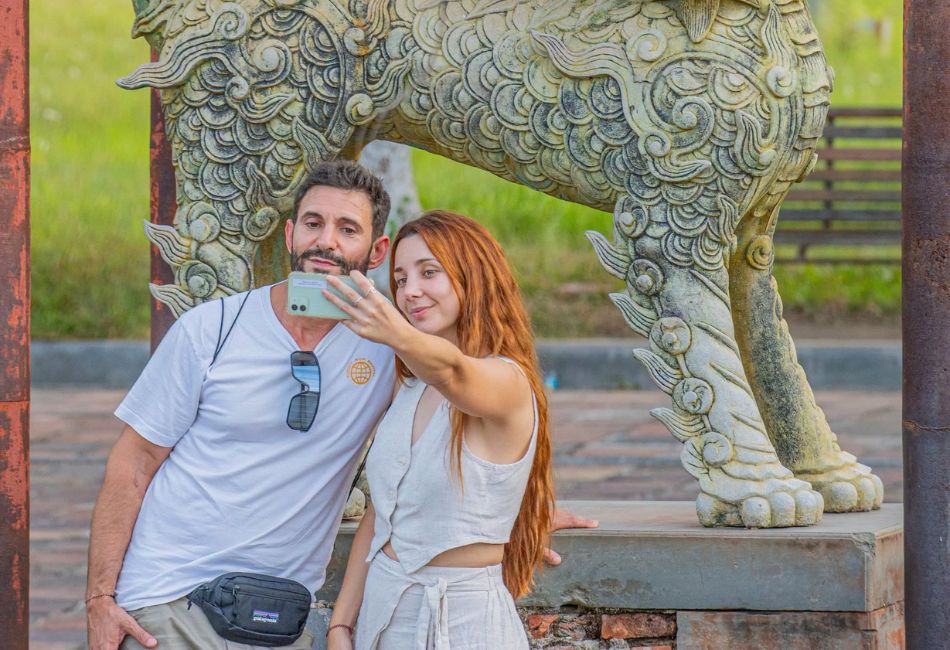
The Imperial City offers many beautiful photography opportunities.
Ngo Mon Gate is particularly impressive in the morning or late afternoon.
Traditional corridors, palace courtyards, decorative gates, and restored architectural details also make excellent subjects.
Always follow posted photography restrictions, particularly in sensitive historical areas.
Common Mistakes to Avoid
Arriving too late
If you arrive close to closing time, you may not have enough time to explore the complex properly.
Underestimating the walking distance
The Imperial City is larger than many first-time visitors expect.
Allow time for walking, resting, and exploring individual buildings.
Visiting during the hottest hours
During summer, midday temperatures can make sightseeing uncomfortable.
Not checking current ticket information
Before visiting the hue imperial city ticket office, confirm the latest ticket prices and opening hours.
Trying to see everything too quickly
Rather than rushing between attractions, choose a few key sites and take time to appreciate their history.
8. Suggested Half-Day Itinerary for Hue Imperial City
If you’re visiting the Imperial City for the first time, a half-day itinerary provides enough time to explore its major highlights without feeling rushed.
The following schedule is an example rather than an official tour timetable.
| Suggested Time | Activity |
|---|---|
| 8:00 AM | Arrive near Ngo Mon Gate and purchase tickets |
| 8:15 AM | Explore Ngo Mon Gate and the entrance area |
| 8:45 AM | Visit Thai Hoa Palace |
| 9:30 AM | Discover the Forbidden Purple City |
| 10:15 AM | Explore Dien Tho Residence |
| 10:45 AM | Visit The To Mieu, Hien Lam Pavilion, and the Nine Dynastic Urns |
| 11:30 AM | Finish your visit and enjoy lunch in Hue |
This itinerary can be adjusted depending on the weather, crowds, and which areas are open to visitors.
If you prefer a slower pace, allow additional time for photography and rest breaks.
9. What to Do After Visiting Hue Imperial City
Hue’s cultural heritage extends far beyond its royal monuments.
After exploring the Imperial City, consider discovering the city’s living traditions through its food, craft villages, and countryside.
Discover Traditional Hue Cuisine
Hue is widely celebrated for its distinctive culinary heritage.
The city’s cuisine reflects a combination of royal influences, regional ingredients, and traditional family recipes.
Popular local dishes include Bun Bo Hue, Banh Beo, Banh Nam, and Banh Loc.
For travelers who want to go beyond simply tasting these specialties, joining a local cooking class is an excellent way to learn more about Hue’s food culture.
At Madam Thu Cooking Class, visitors can discover local ingredients, explore traditional cooking techniques, and learn how to prepare authentic Hue dishes.
The experience can include a visit to Dong Ba Market, where participants learn about ingredients used in everyday Vietnamese cooking.
It’s a wonderful opportunity to connect with Hue’s culinary traditions through a hands-on experience.
Visit Thuy Xuan Incense Village
Thuy Xuan Incense Village is one of Hue’s most recognizable traditional craft destinations.
The village is famous for its colorful incense displays, which create beautiful photo opportunities.
Visitors can stroll through the village, observe incense-making activities when available, and learn about the cultural significance of incense in Vietnamese spiritual traditions.
It’s an enjoyable stop for travelers interested in traditional craftsmanship and local culture.
Experience Rural Life at Madam Thu Farm
For a completely different perspective on Hue, head into the countryside and explore La Chu Village.
Located approximately 8 kilometers from central Hue, this peaceful rural area is surrounded by vegetable gardens, rice fields, and quiet village roads.
At Madam Thu Farm, visitors can discover organic farming practices and experience the connection between agriculture and traditional Hue cuisine.
Depending on the selected experience, activities may include cycling through the village, exploring vegetable gardens, participating in farming activities, and preparing local dishes.
Unlike the Imperial City, which introduces visitors to Hue’s royal past, the countryside reveals the everyday traditions that continue to shape local life.
Combining these two experiences offers a more complete understanding of Hue’s cultural identity.
10. Frequently Asked Questions About Hue Imperial City Ticket Office
Where is the Hue Imperial City ticket office located?
The hue imperial city ticket office is located near Ngo Mon Gate, the main visitor entrance to Hue Imperial City.
The area is accessible by walking, bicycle, taxi, or cyclo from central Hue.
How much does a Hue Imperial City ticket cost?
Commonly published reference prices are 200,000 VND for adults and 40,000 VND for children aged 7–12.
These prices may change, so visitors should confirm the latest admission rates through official channels.
Can I buy Hue Imperial City tickets online?
Online purchasing may be available through authorized heritage ticketing platforms.
Check the current official booking options before making a payment.
What time does the Hue Imperial City ticket office open?
The hue imperial city ticket office generally operates in connection with the site’s visitor opening hours.
Exact schedules can vary, so check the latest official information before arriving.
Is Hue Imperial City the same as Hue Citadel?
Not exactly.
Hue Citadel refers to the larger fortified area, while Hue Imperial City is the royal administrative and ceremonial complex located within it.
How long does it take to visit Hue Imperial City?
Most visitors spend around 2–3 hours exploring the main attractions.
If you’re interested in history or photography, consider allowing half a day.
Is there a dress code for Hue Imperial City?
There is no need to wear formal clothing, but visitors should dress respectfully when entering historical and ceremonial areas.
Comfortable walking shoes and weather-appropriate clothing are recommended.
Can I visit Hue Imperial City without a tour guide?
Yes.
Independent visitors can explore the complex at their own pace.
However, a knowledgeable local guide can provide valuable historical context and help explain the significance of individual monuments.
Is Hue Imperial City worth visiting?
Absolutely.
As part of the UNESCO-listed Complex of Hue Monuments, the Imperial City is one of Vietnam’s most important cultural and historical destinations.
Its architecture, royal history, and cultural significance make it an essential attraction for anyone visiting Hue.
Conclusion
Hue Imperial City is more than an impressive historical landmark. It is a place where Vietnam’s royal heritage, architectural traditions, and centuries of history come together.
From the majestic Ngo Mon Gate to the elegant Thai Hoa Palace and the peaceful ancestral temples, each part of the complex reveals another chapter of the Nguyen Dynasty.
Knowing where to find the hue imperial city ticket office, understanding your ticket options, and planning your visit in advance will help you enjoy a smoother and more rewarding experience.
But Hue’s story doesn’t end within the walls of the Imperial City.
Beyond the royal monuments, you’ll discover traditional craft villages, vibrant local markets, remarkable regional cuisine, and peaceful countryside communities.
Whether you’re exploring the colorful incense displays of Thuy Xuan Village, learning to prepare traditional Hue dishes, or cycling through the quiet lanes of La Chu Village, these experiences offer a deeper connection to the people and traditions of Vietnam’s former imperial capital.
Take your time, explore beyond the famous landmarks, and discover the authentic cultural experiences that make Hue truly unforgettable.

0 Comment